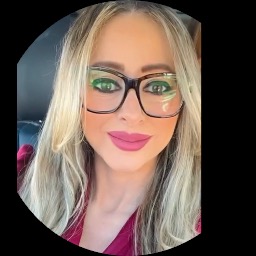
Vivette Lanzas, LCMHC
North Carolina · 26 years in practice
Vivette Lanzas is a licensed clinical mental health counselor who helps people manage stress, anxiety, parenting challenges, anger, low self-esteem, and depression.
License and registration
- LCMHC, North Carolina
- 16583 · expires June 2026
- NPI
- 1093141269 · national provider identifier
- Years in practice
- 26
- Languages
- English
Details are as listed on the therapist's public professional profile. You can check the license with the issuing state board, and the NPI with the national registry.
About Vivette
Vivette Lanzas is a licensed clinical mental health counselor who helps people manage stress, anxiety, parenting challenges, anger, low self-esteem, and depression. She brings 26 years of experience and a calm, respectful approach to each session. She works in English and practices from North Carolina as an LCMHC.
Clients can expect conversations shaped to their needs. Vivette listens first, then builds a plan with practical steps and goals. She uses several therapy styles to match each person’s situation rather than a one-size-fits-all method.
Background and approach
Her work often addresses attachment and abandonment concerns, blended family tensions, and adoption or foster care–related issues. She also supports people dealing with body image, eating concerns, caregiving stress, and the fallout from divorce or separation.
Vivette draws on Emotionally-Focused Therapy to look at feelings and close relationships, and she uses Acceptance and Commitment Therapy to help people accept hard emotions while moving toward values-based action. Cognitive Behavioral Therapy helps reframe unhelpful thoughts, and Dialectical Behavior Therapy offers skills for emotional regulation and distress tolerance.
She treats communication problems, control issues, guilt and shame, and commitment worries in straightforward terms. Her style is gentle and practical: she offers tools people can use between sessions and checks progress as they go. Starting therapy with Vivette means answering a short questionnaire and scheduling a session format that fits - video call, phone, live chat, or text-based messaging.
The subscription used for sessions can be canceled at any time.
Focus areas and approaches
Everything Vivette lists on their public professional profile, in their own terms.
- Stress, Anxiety
- Parenting issues
- Anger management
- Self esteem
- Depression
- Abandonment
- Adoption and foster care
- Attachment issues
- Blended family issues
- Body image
- Caregiver issues and stress
- Commitment issues
- Communication problems
- Control issues
- Coping with natural or human-caused disaster
- Divorce and separation
- Eating and food-related issues
- Family problems
- Forgiveness
- Guilt and shame
- Hoarding
- Immigration issues
- Impulsivity
- Infidelity
- Isolation / loneliness
- Jealousy
- Life purpose
- Midlife crisis
- Obsessions, compulsions, and OCD
- Panic disorder and panic attacks
- Phobias
- Postpartum depression
- Pregnancy and childbirth
- Self-love
- Social anxiety and phobia
- Women's issues
- Workplace issues
- Young adult issues
Approaches Vivette names
- Emotionally-Focused Therapy (EFT)
- Acceptance and Commitment Therapy (ACT)
- Client-Centered Therapy
- Cognitive Behavioral Therapy (CBT)
- Dialectical Behavior Therapy (DBT)
- Existential Therapy
- Jungian Therapy
- Mindfulness Therapy
- Motivational Interviewing
- Psychodynamic Therapy
- Solution-Focused Therapy
Naming an approach is not evidence of training in it. This directory copies what each therapist lists and does not check training records.
Online support
How Vivette’s Approaches Work Online
Emotionally-Focused Therapy helps people notice and name emotions that shape their closest relationships. Online sessions can guide conversations that change how someone responds to feelings and attachment patterns. Acceptance and Commitment Therapy teaches skills to make space for difficult emotions while taking steps toward personal values. It can help people move forward when they feel stuck despite strong emotions.Finding the right approach is part of the work. The therapist will discuss options and choose methods together based on goals, needs, and what feels workable for the person. Sessions start with listening, then a plan is made and adjusted as progress is reviewed.
Online formats include video calls, phone sessions, live chat, and text-based messaging. Video is useful for deep conversations and visual cues, phone calls are lower bandwidth and easier on the go, live chat works for shorter check-ins, and text messaging lets people send updates or brief reflections between sessions. These options make it easier to fit therapy into busy lives and keep momentum between appointments.
We will earn a commission if you sign up through our link, at no cost to you. It does not change what you pay or the order of the listings.
Questions people ask
What kinds of concerns does she help with?
She works with stress, anxiety, parenting challenges, anger, low self-esteem, and depression, plus related issues like attachment, divorce, and family communication problems.
What is her general therapy style?
Her style is collaborative and practical. She listens first, then tailors conversations and steps to each person’s needs.
How much experience does she have?
She has 26 years of professional experience working in mental health settings and with a variety of personal and family concerns.
What are her credentials and where does she practice?
She is an LCMHC licensed in North Carolina and provides services from that state.
Which languages are supported for sessions?
Sessions are offered in English only.
Can international clients work with her?
She does not accept international clients at this time.
What session formats are available?
Sessions can be scheduled as video calls, phone sessions, live chat, or text-based messaging to fit different needs and schedules.
How does cost and scheduling work?
Cost varies by location and therapist availability; sessions use a subscription that can be canceled at any time. To begin, select the Start Therapy button, complete a short matching questionnaire, and schedule a time.
More therapists in North Carolina
See allDr. James Hunter Jr
LCMHC
Calm, practical guidance for life's hard moments
- Stress, Anxiety
- Depression
- Relationship

Madeline Cohen
LCMHC
Compassionate therapist for life's hard moments
- Stress, Anxiety
- Trauma and abuse
- Parenting


James Dion
LCMHC
Practical, emotion-focused support for real life
- Stress, Anxiety
- Family
- Trauma and abuse

Is this your profile?
Ask us to correct details or take the page down.
Contact us