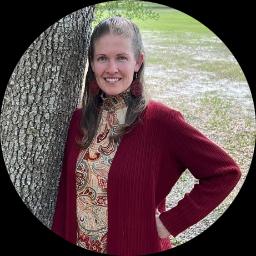
Tinsley Lemon, LCSW
Florida · 17 years in practice
Tinsley Lemon is a Licensed Clinical Social Worker with 17 years of combined direct care and administrative experience in mental health and substance use settings.
License and registration
- LCSW, Florida
- SW19813 · expires March 2027
- LCSW, Arizona
- LCSW-22702 · expires November 2026
- NPI
- 1700530284 · national provider identifier
- Years in practice
- 17
- Languages
- English
Details are as listed on the therapist's public professional profile. You can check the license with the issuing state board, and the NPI with the national registry.
About Tinsley
Tinsley Lemon is a Licensed Clinical Social Worker with 17 years of combined direct care and administrative experience in mental health and substance use settings. She supports people facing stress, anxiety, mood struggles, and issues with motivation and self-esteem. Tinsley emphasizes practical steps and steady support during hard life moments.
She draws on a range of methods to meet each person where they are. Sessions are grounded in honest conversation and focused on small changes that make a daily difference.
Background and approach
The work often looks like noticing patterns, trying new skills, and reflecting on what matters most. Tinsley has helped people cope with grief, trauma and abuse, addiction, and career or parenting stresses. She also addresses concerns such as bipolar disorder, ADHD, eating concerns, and compassion fatigue.
Her approach balances symptom-focused strategies with attention to values and relationships. People who come to her can expect clear explanations and step-by-step suggestions. She aims to make therapy practical and understandable, with tools clients can use between sessions.
Messages are typically answered within 48 business hours, and response times may be longer on weekends. Tinsley works with English-speaking clients from Florida and accepts international clients for online sessions. She uses video calls, phone sessions, live chat, and text-based messaging, and she helps people choose the format that fits their life.
Focus areas and approaches
Everything Tinsley lists on their public professional profile, in their own terms.
- Stress, Anxiety
- Addictions
- Self esteem
- Depression
- Coping with life changes
- Relationship issues
- Family conflicts
- Trauma and abuse
- Grief
- Eating disorders
- Parenting issues
- Anger management
- Career difficulties
- Bipolar disorder
- Coaching
- Compassion fatigue
- ADHD
- Drug and alcohol addiction
- Guilt and shame
- Life purpose
- Mood disorders
- Personality disorders
- Post-traumatic stress
- Self-love
Approaches Tinsley names
- Emotionally-Focused Therapy (EFT)
- Acceptance and Commitment Therapy (ACT)
- Client-Centered Therapy
- Cognitive Behavioral Therapy (CBT)
- Dialectical Behavior Therapy (DBT)
- Mindfulness Therapy
- Motivational Interviewing
- Narrative Therapy
- Solution-Focused Therapy
- Somatic Therapy
- Trauma-Focused Therapy
- Internal Family Systems
Naming an approach is not evidence of training in it. This directory copies what each therapist lists and does not check training records.
Online support
Therapeutic approaches for online sessions
Emotionally-Focused Therapy helps people notice and name strong emotions and the patterns they create in relationships and daily life. It can be useful when someone wants to understand how feelings drive behavior and to build new ways of responding.Acceptance and Commitment Therapy focuses on values and committed action. Clients learn to accept difficult thoughts or feelings while taking small steps toward what matters to them, which can help with anxiety, depression, and life transitions.
Client-Centered Therapy centers the conversation on the client’s perspective. The therapist offers empathy and reflection so the person can clarify goals and make their own decisions about change.
Finding the right approach is part of the work. Tinsley will talk with each person about their needs, goals, and preferences and choose or blend methods collaboratively. That way the plan fits the person, not the other way around.
Online formats include video calls, phone sessions, live chat, and text-based messaging. Video offers face-to-face connection for deeper conversation. Phone or chat can be easier when bandwidth is limited or for quick check-ins. Text messaging supports short, ongoing skill practice and check-ins between sessions. These options make therapy more flexible and help people fit care into busy lives.
We will earn a commission if you sign up through our link, at no cost to you. It does not change what you pay or the order of the listings.
Questions people ask
What concerns does Tinsley often help with?
Tinsley works with people dealing with anxiety, depression, stress, and low self-esteem. She also helps with addictions, grief, trauma and abuse, parenting stress, career challenges, and related mood concerns.
What is her therapy style like?
Her style is conversational and practical. Sessions focus on noticing patterns, learning coping skills, and aligning actions with the client’s values.
How much experience does she have?
She has 17 years of combined direct care and administrative experience in mental health and substance use treatment.
What credentials and location are listed?
She holds the credential LCSW and practices from Florida with a Florida LCSW and an Arizona LCSW on record.
Are sessions offered in other languages?
Sessions are offered in English.
What session formats are available?
She offers video calls, phone sessions, live chat, and text-based messaging to suit different preferences and schedules.
How does pricing work?
Cost varies with location and therapist availability and uses a subscription model that can be canceled at any time.
How do I begin working with her?
Click the Start Therapy button, fill out a short matching questionnaire, and schedule according to the therapist’s availability.
More therapists in Florida
See all
Dedra McIntosh
LCSW
Emotion-focused care for everyday struggles
- Stress, Anxiety
- Relationship
- Trauma and abuse

Steven Carlson
LCSW
Compassionate, steady support for emotional healing
- Stress, Anxiety
- Relationship
- Family
Tomeccia Maxwell
LMHC
Calm, practical support for everyday challenges
- Stress, Anxiety
- Relationship
- Family
Is this your profile?
Ask us to correct details or take the page down.
Contact us