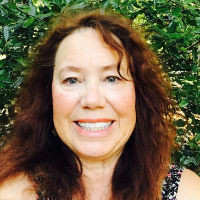
Sherry Friedman, LPC, LCMHC
North Carolina · 12 years in practice
Sherry Friedman is a Licensed Professional Counselor and Licensed Clinical Mental Health Counselor with twelve years of practice.
License and registration
- LCMHC, North Carolina
- 12786 · expires June 2027
- LPC, South Carolina
- 9015 · expires August 2027
- LMHC, Rhode Island
- MHC01614 · expires July 2026
- NPI
- 1730627068 · national provider identifier
- Years in practice
- 12
- Languages
- English
Details are as listed on the therapist's public professional profile. You can check the license with the issuing state board, and the NPI with the national registry.
About Sherry
Sherry Friedman is a Licensed Professional Counselor and Licensed Clinical Mental Health Counselor with twelve years of practice. She works from North Carolina and combines life experience with clinical training to help people facing stress, anxiety, depression, trauma, and mood concerns. Sherry writes about sensitivity and supports clients who want clearer boundaries and more emotional ease.
Her background includes graduate degrees in school psychology, gifted education, and clinical counseling. She draws on a range of approaches including Emotionally-Focused Therapy, Attachment-Based Therapy, client-centered work, Jungian ideas, and skills from Dialectical Behavior Therapy.
Background and approach
This mix shapes a thoughtful, person-centered way of working. Sessions are conversational and aimed at helping people notice patterns, name emotions, and try practical steps between meetings. Sherry often uses mindfulness practices and heart-centered exercises introduced in her writing and teaching.
She also attends to cultural and life-context factors that influence a person’s well-being. People come for help with parenting stress, relationship challenges, career transitions, grief, compassion fatigue, ADHD, and questions about identity and purpose. She also supports those dealing with attachment, abandonment, body image, and family of origin issues.
Sherry integrates experiential work with coping skills to make change more tangible. Therapy begins by mapping current struggles and priorities. From there she and the client plan short-term goals and practical steps.
Sessions can include talk, reflective exercises, and skill practice to reduce symptoms and build emotional resilience.
Focus areas and approaches
Everything Sherry lists on their public professional profile, in their own terms.
- Stress, Anxiety
- Trauma and abuse
- Parenting issues
- Coping with life changes
- Compassion fatigue
- Relationship issues
- Family conflicts
- Grief
- Anger management
- Self esteem
- Career difficulties
- Bipolar disorder
- Depression
- Coaching
- ADHD
- Abandonment
- Attachment issues
- Autism and Asperger Syndrome
- Body image
- Communication problems
- Divorce and separation
- Family of origin issues
- Family problems
- Forgiveness
- Isolation / loneliness
- Life purpose
- Midlife crisis
- Mood disorders
- Multicultural concerns
- Narcissism
- Postpartum depression
- Post-traumatic stress
- Pregnancy and childbirth
- Self-love
- Women's issues
Approaches Sherry names
- Emotionally-Focused Therapy (EFT)
- Attachment-Based Therapy
- Client-Centered Therapy
- Dialectical Behavior Therapy (DBT)
- Jungian Therapy
- Mindfulness Therapy
- Motivational Interviewing
- Narrative Therapy
- Psychodynamic Therapy
- Solution-Focused Therapy
- Somatic Therapy
- Trauma-Focused Therapy
- Internal Family Systems
Naming an approach is not evidence of training in it. This directory copies what each therapist lists and does not check training records.
Online support
How her approaches translate to online therapy
Sherry uses Emotionally-Focused Therapy to help people identify and name emotional patterns and deepen emotional connection to what matters. This approach can be useful when someone wants to understand how emotions drive their reactions and relationships.She also draws on Attachment-Based Therapy to look at early patterns that shape current behavior and relationships. That work helps people see recurring dynamics and try new ways of relating to themselves and others. Client-Centered Therapy is another strand of her practice and centers the session on the client's experience, emphasizing empathy and collaboration.
Finding the right approach is part of the process. She works collaboratively to match methods to a person's goals, needs, and preferences. Sessions often start with practical goals and adjust as understanding grows, so clients help shape which tools are used.
Offering video calls, phone sessions, live chat, and text-based messaging gives flexibility for different days and needs. Video calls allow face-to-face interactions for emotional work, phone sessions can fit a shorter check-in or lower bandwidth, and messaging or chat supports brief updates and ongoing skill practice between sessions. These options make it easier to keep continuity of care and fit sessions into a busy life.
We will earn a commission if you sign up through our link, at no cost to you. It does not change what you pay or the order of the listings.
Questions people ask
What concerns does she help with?
She helps people with stress, anxiety, depression, trauma and abuse, bipolar and mood disorders, grief, anger, self-esteem, career and parenting challenges, and ADHD. Additional focus areas include attachment issues, body image, isolation, and multicultural concerns.
What is her therapeutic style like?
The approach is warm and interactive with an emphasis on listening and emotional exploration. Sessions combine insight work, mindfulness practices, and practical skills drawn from DBT and client-centered methods.
How much clinical experience does she have?
She has twelve years of clinical experience working with a variety of emotional and life concerns and brings that background into each session.
Where is she licensed and based?
She holds LPC and LCMHC credentials and practices from North Carolina. The listed credentials are LPC and LCMHC.
Which languages are supported?
Sessions are offered in English.
What session formats are available?
Sessions can be conducted via video calls, phone sessions, live chat, or text-based messaging to fit different schedules and preferences.
How does payment work?
Cost varies with location and therapist availability. Sessions use a subscription that can be canceled at any time.
How do I begin working together?
Start by selecting the Start Therapy button and completing a short matching questionnaire. Then schedule sessions according to the therapist's availability.
More therapists in North Carolina
See allDr. James Hunter Jr
LCMHC
Calm, practical guidance for life's hard moments
- Stress, Anxiety
- Depression
- Relationship
Madeline Cohen
LCMHC
Compassionate therapist for life's hard moments
- Stress, Anxiety
- Trauma and abuse
- Parenting

James Dion
LCMHC
Practical, emotion-focused support for real life
- Stress, Anxiety
- Family
- Trauma and abuse
Is this your profile?
Ask us to correct details or take the page down.
Contact us