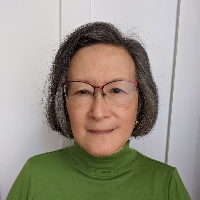
Lillian Tsai, LCSW
New York · 20 years in practice
Lillian Tsai is a licensed clinical social worker who helps people manage stress, anxiety, grief, depression, and trauma.
License and registration
- LCSW, New York
- 042265 · expires June 2027
- NPI
- 1750983110 · national provider identifier
- Years in practice
- 20
- Languages
- English, Mandarin
Details are as listed on the therapist's public professional profile. You can check the license with the issuing state board, and the NPI with the national registry.
About Lillian
Lillian Tsai is a licensed clinical social worker who helps people manage stress, anxiety, grief, depression, and trauma. She works with individuals facing life changes, relationship struggles, caregiving strain, and questions about identity and self-worth. Sessions are offered in English and Mandarin and she practices from New York.
Lillian draws on about 20 years of clinical experience across hospitals, victim services, and child welfare settings. She centers each session on the person's strengths and priorities.
Background and approach
That means talking through what matters most, deciding on small steps, and adjusting the plan as needed. Her style blends Emotionally-Focused Therapy with client-centered care and practical tools from cognitive behavioral therapy. In practice this looks like noticing strong emotions together, understanding what they mean, and testing new ways of responding that reduce distress.
Solution-focused techniques are used when people want clearer goals and quicker changes. Lillian also supports people dealing with chronic illness, caregiving stress, end-of-life concerns, and the lasting effects of abuse or sexual assault. She pays attention to feelings like shame, emptiness, and isolation and helps people find ways to reconnect with others and themselves.
Sessions combine listening with concrete strategies for coping and problem solving. New clients begin by sharing current struggles and goals, and then Lillian and the client set a path forward. She welcomes international clients and offers phone, video, chat, and text options to fit different needs.
Focus areas and approaches
Everything Lillian lists on their public professional profile, in their own terms.
- Stress, Anxiety
- Trauma and abuse
- Grief
- Depression
- Coping with life changes
- LGBT
- Relationship issues
- Family conflicts
- Self esteem
- Career difficulties
- Compassion fatigue
- Abandonment
- Aging and geriatric issues
- Cancer
- Caregiver issues and stress
- Codependency
- Domestic violence
- Emptiness
- Guilt and shame
- Hospice and end-of-life counseling
- Isolation / loneliness
- Midlife crisis
- Postpartum depression
- Post-traumatic stress
- Sexual assault and abuse
- Social anxiety and phobia
Approaches Lillian names
- Emotionally-Focused Therapy (EFT)
- Client-Centered Therapy
- Cognitive Behavioral Therapy (CBT)
- Existential Therapy
- Solution-Focused Therapy
- Trauma-Focused Therapy
Naming an approach is not evidence of training in it. This directory copies what each therapist lists and does not check training records.
Online support
Therapy Approaches and Online Care
Emotionally-Focused Therapy (EFT) focuses on identifying and working with strong emotions. It helps people notice feelings that drive patterns and then practice new ways of responding to build more supported emotional connections. Client-Centered Therapy emphasizes the person's perspective and strengths. Sessions follow the client's concerns and pace, aiming to increase self-understanding and self-compassion. Cognitive Behavioral Therapy (CBT) offers simple tools to change unhelpful thoughts and behaviors that keep anxiety and depression active, useful for stress, social anxiety, and mood changes.Finding the right approach is usually collaborative. The therapist will listen to your goals and try different ways of working to see what fits. Together you can mix emotion-focused reflection, skill-building from CBT, and short-term solution steps to match needs and preferences.
Online therapy options include video calls, phone sessions, live chat, and text-based messaging. Video calls allow longer, visual conversations while phone sessions can be easier when bandwidth is limited. Live chat and text messaging work well for short check-ins, progress notes, and goal tracking between longer sessions. These formats make scheduling more flexible and help people continue work across time zones and life changes.
We will earn a commission if you sign up through our link, at no cost to you. It does not change what you pay or the order of the listings.
Questions people ask
What kinds of problems does she help with?
She helps people facing stress, anxiety, depression, grief, trauma, relationship and family concerns, self-esteem struggles, career stress, and compassion fatigue. Additional focus areas include caregiving stress, aging issues, cancer, postpartum depression, and recovery after sexual assault.
How would you describe her therapeutic style?
Her style is collaborative and practical. She uses Emotionally-Focused Therapy and client-centered work to understand emotions, and combines CBT and solution-focused techniques for concrete coping skills.
What background does she bring to sessions?
She brings about 20 years of clinical experience working in hospitals, victim treatment centers, and child welfare settings. That background informs work with trauma, medical concerns, and life transitions.
Where is she licensed and based?
She is a Licensed Clinical Social Worker with an NY LCSW credential and practices from New York.
Can I work with her if I don’t live in the United States?
Yes. She accepts international clients and offers sessions for people outside the U.S.
What session formats are available?
Sessions can be done by video calls, phone sessions, live chat, or text-based messaging. Different formats allow for brief check-ins or longer talks depending on needs.
How is cost handled for sessions?
Cost varies with location and therapist availability. Sessions use a subscription model that can be canceled at any time.
How do I begin working with her?
Start by selecting the Start Therapy button and completing a short matching questionnaire. After that you can schedule sessions based on the therapist's availability.
More therapists in New York
See all
JoAnn Park
LCSW
Experienced LCSW focusing on emotion and healing
- Stress, Anxiety
- Addictions
- Relationship

Tammy Piazza
LMHC
Practical skills for stronger emotional balance
- Stress, Anxiety
- Addictions
- Trauma and abuse
Rachael Figueroa
LCSW
Compassionate, emotion-focused therapy for real life
- Stress, Anxiety
- Grief
- Anger

Is this your profile?
Ask us to correct details or take the page down.
Contact us