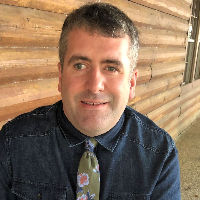
Lannie Cox, LPC
Texas · 3 years in practice
Lannie Cox is a Licensed Professional Counselor (LPC) who helps people feeling stuck, overwhelmed, or unsure how to move forward.
License and registration
- LPC, Texas
- 79659 · expires January 2028
- NPI
- 1326605197 · national provider identifier
- Years in practice
- 3
- Languages
- English
Details are as listed on the therapist's public professional profile. You can check the license with the issuing state board, and the NPI with the national registry.
About Lannie
Lannie Cox is a Licensed Professional Counselor (LPC) who helps people feeling stuck, overwhelmed, or unsure how to move forward. He listens with patience and offers practical ways to try new steps. He keeps language simple and focuses on what can change now rather than long explanations.
He works with stress, anxiety, depression, grief, addictions, trauma and abuse, and many relationship and intimacy-related concerns. He also supports people coping with life changes, career stress, parenting strain, ADHD, and burnout such as compassion fatigue.
Background and approach
Lannie pays attention to problems like communication breakdowns, commitment worries, infidelity, and issues tied to family of origin. His approach blends Emotionally-Focused Therapy with cognitive behavioral strategies and skills from dialectical behavior therapy. He also draws on the Gottman Method and mindfulness practices to help people notice patterns, shift unhelpful thoughts, and practice new ways of responding.
Sessions aim to be active and collaborative rather than only reflective. Lannie brings three years of clinical experience and a background in corporate communications and public relations. He holds a master’s degree in Clinical Mental Health Counseling from West Texas A&M University and is licensed in Texas as an LPC.
He speaks English and accepts clients from other regions when scheduling allows. Conversations with him are straightforward and encouraging. He often frames therapy as finding answers that already live inside the person, then practicing small steps to make those answers more available in daily life.
Focus areas and approaches
Everything Lannie lists on their public professional profile, in their own terms.
- Stress, Anxiety
- Relationship issues
- Family conflicts
- Parenting issues
- Depression
- Addictions
- LGBT
- Trauma and abuse
- Grief
- Intimacy-related issues
- Eating disorders
- Sleeping disorders
- Anger management
- Self esteem
- Career difficulties
- Bipolar disorder
- Coping with life changes
- Coaching
- Compassion fatigue
- ADHD
- Blended family issues
- Commitment issues
- Communication problems
- Control issues
- Dependent personality
- Divorce and separation
- Emptiness
- Family of origin issues
- Family problems
- Fatherhood issues
- Fertility issues
- Forgiveness
- Guilt and shame
- Impulsivity
- Infidelity
- Isolation / loneliness
- Jealousy
- Men's issues
- Midlife crisis
- Money and financial issues
- Narcissism
- Obsessions, compulsions, and OCD
- Panic disorder and panic attacks
- Phobias
- Pregnancy and childbirth
- Social anxiety and phobia
- Visually impaired
- Women's issues
- Workplace issues
Approaches Lannie names
- Emotionally-Focused Therapy (EFT)
- Cognitive Behavioral Therapy (CBT)
- Dialectical Behavior Therapy (DBT)
- Gottman Method
- Mindfulness Therapy
- Motivational Interviewing
- Narrative Therapy
- Solution-Focused Therapy
Naming an approach is not evidence of training in it. This directory copies what each therapist lists and does not check training records.
Online support
How therapy approaches work online
Emotionally-Focused Therapy (EFT) focuses on how feelings shape patterns between people and inside a person’s own responses; it helps identify core emotions and use them to guide change. Cognitive Behavioral Therapy (CBT) looks at the link between thoughts, feelings, and actions and gives practical exercises to shift unhelpful thinking and behavior. Dialectical Behavior Therapy (DBT) offers skills for managing intense emotions and improving distress tolerance and interpersonal effectiveness.Choosing the right approach is a team effort. The therapist will talk with the client about goals and try methods that fit their needs and preferences. Sessions may include trying a few techniques and adjusting the plan based on what helps most in day-to-day life.
Online sessions are offered by video call, phone session, live chat, or text-based messaging to make scheduling easier. Video works well for deeper conversations and visual cues, phone sessions can be simpler when bandwidth is limited, live chat is useful for brief check-ins, and messaging supports ongoing coaching and quick reflections. These options allow therapy to fit around work, parenting, or other commitments.
We will earn a commission if you sign up through our link, at no cost to you. It does not change what you pay or the order of the listings.
Questions people ask
What kinds of concerns does this therapist address?
Lannie helps people with stress, anxiety, depression, grief, trauma and abuse, addictions, intimacy-related issues, and many relationship or parenting strains. He also works with career stress, ADHD, bipolar concerns, and coping with life changes.
How would you describe his therapeutic style?
His style is practical and collaborative. He listens, reflects what he hears, and offers simple tools and steps to try between sessions.
What experience and background does he bring?
He has three years of clinical counseling experience and a prior 15-year career in corporate communications and public relations, which shapes his clear, down-to-earth approach.
What credentials and location apply to this therapist?
He holds a master’s in Clinical Mental Health Counseling from West Texas A&M University and is a Texas Licensed Professional Counselor (LPC). He practices from Texas.
Which languages are supported for sessions?
Sessions are offered in English and he is able to work with clients from other countries when arranged.
What appointment formats are available?
Sessions can be scheduled as video calls, phone sessions, live chat, or text-based messaging depending on what works best for the client.
How does billing and cost work?
Costs vary with location and therapist availability and sessions use a subscription model that can be canceled at any time.
How do I begin working with him?
Start by selecting the Start Therapy button, complete a short matching questionnaire, and then schedule sessions according to the therapist's availability.
More therapists in Texas
See allDr. Ngozi Okose
LPC
Compassionate, practical therapy focused on emotion and change
- Stress, Anxiety
- Relationship
- Trauma and abuse

Phillip Redden
LMFT
Trusted therapist for relationships and trauma
- Relationship
- Family
- Trauma and abuse

Julie Elliott
MD, LCSW-C, LCSW
Compassionate clinician with long-term practical experience
- Stress, Anxiety
- Relationship
- Family
Tiffany Dunnells
LPC
Warm, practical therapy for life’s hard moments
- Stress, Anxiety
- Trauma and abuse
- Anger

Is this your profile?
Ask us to correct details or take the page down.
Contact us