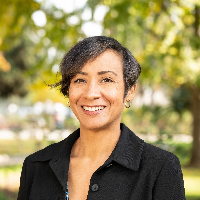
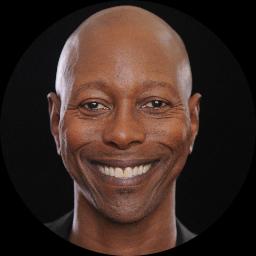
Christine Rodriguez, LCSW
California · 4 years in practice
Christine Rodriguez is a Licensed Clinical Social Worker (LCSW) based in California who helps people improve their relationships and intimacy.
License and registration
- LCSW, California
- 100447 · expires March 2027
- NPI
- 1306421391 · national provider identifier
- Years in practice
- 4
- Languages
- English
Details are as listed on the therapist's public professional profile. You can check the license with the issuing state board, and the NPI with the national registry.
About Christine
Christine Rodriguez is a Licensed Clinical Social Worker (LCSW) based in California who helps people improve their relationships and intimacy. She focuses on communication, sexual concerns, and the patterns that create distance between partners. Her style is direct and practical, aimed at people who want clearer connection and better everyday interaction.
She uses Emotionally-Focused Therapy to help people name and shift the emotions that drive relationship cycles. She also draws on Attachment-Based Therapy to look at how early bonds influence current patterns.
Background and approach
Christine blends Cognitive Behavioral Therapy techniques to address unhelpful thoughts and behaviors that keep problems stuck. Sessions often include concrete exercises for communication, steps to rebuild trust after affairs, and tools to address sexual function and desire. She also works with people navigating non-monogamy, kink and BDSM topics, and stressors like cancer or financial strain that affect intimacy.
The work is conversational and action-oriented, with homework and skills people can use between sessions. Christine completed a Master of Social Work at the University of Southern California and earned a Sexual Health Certificate in Sex Therapy and Sex Education from the University of Michigan in 2024.
She has about four years of clinical experience supporting individuals and partners to strengthen connection and sexual well-being. People who come to her typically want direct feedback, practical tools, and a focus on emotional experience in relationships. She helps people build skills that make conversations easier and closeness more reliable.
Focus areas and approaches
Everything Christine lists on their public professional profile, in their own terms.
- Relationship issues
- Intimacy-related issues
- Stress, Anxiety
- LGBT
- Family conflicts
- Trauma and abuse
- Self esteem
- Attachment issues
- BDSM, kink, and alternative sex culture
- Cancer
- Codependency
- Commitment issues
- Communication problems
- Divorce and separation
- Infidelity
- Jealousy
- Men's issues
- Money and financial issues
- Polyamory / non-monogamous relationships
- Sexual dysfunction
- Sexuality
- Women's issues
Approaches Christine names
- Emotionally-Focused Therapy (EFT)
- Attachment-Based Therapy
- Cognitive Behavioral Therapy (CBT)
- Gottman Method
- Mindfulness Therapy
- Motivational Interviewing
- Narrative Therapy
- Psychodynamic Therapy
- Solution-Focused Therapy
- Trauma-Focused Therapy
Naming an approach is not evidence of training in it. This directory copies what each therapist lists and does not check training records.
Online support
How online approaches support relationship and intimacy work
Emotionally-Focused Therapy (EFT) focuses on the emotions that drive how people react in close relationships. It helps people identify what they are feeling and how those feelings shape interactions, which is useful for rebuilding connection after conflict.Attachment-Based Therapy looks at how early bonding patterns shape expectations and safety in adult relationships. This approach helps people see longstanding patterns and try new ways of asking for support and closeness.
Finding the right approach is part of the work. The therapist will collaborate with each person or partner to choose strategies that match their goals, comfort, and pace. That might mean blending emotion-focused work with CBT tools or Gottman-informed communication exercises.
Online therapy makes these approaches more accessible through flexible formats. Video calls allow face-to-face conversation and in-session exercises. Phone sessions can be a good fit when bandwidth is limited or a quieter setup is needed. Live chat and text-based messaging provide brief check-ins, written reflections, or follow-up between sessions to reinforce skills and keep momentum going.
We will earn a commission if you sign up through our link, at no cost to you. It does not change what you pay or the order of the listings.
Questions people ask
What kinds of relationship and intimacy concerns are addressed?
She works with communication problems, infidelity, sexual dysfunction, jealousy, commitment issues, and challenges tied to non-monogamy or kink.
What is Christine's therapeutic style like?
The approach is collaborative and practical, using Emotionally-Focused Therapy, attachment ideas, and CBT to help people change patterns and try new behaviors.
How much clinical experience does she have?
Christine has about four years of experience working with individuals and partners on relationship and sexual concerns.
What are her credentials and where is she based?
She is a Licensed Clinical Social Worker (LCSW) licensed in California and practices from that state.
Are sessions available in other languages or internationally?
Sessions are offered in English and she is not currently accepting international clients.
What formats are used for sessions?
Therapy is offered through video calls, phone sessions, live chat, and text-based messaging to fit different needs and schedules.
How is cost handled for sessions?
Cost varies with location and therapist availability; sessions use a subscription that can be canceled at any time.
How do I begin working with her?
Click the Start Therapy button, complete a short matching questionnaire, and schedule a time according to therapist availability.
More therapists in California
See allNancy Montes
LCSW
Compassionate, culturally aware LCSW for life transitions
- Stress, Anxiety
- Self esteem
- Depression
Alejandro Holguin
LCSW
Practical, collaborative therapy for emotional healing
- Stress, Anxiety
- Relationship
- Anger
Dr. Cheryl Mims
LCSW
Compassionate clinician helping rebuild emotional balance
- Stress, Anxiety
- Grief
- Bipolar
Chauncey Chatman
LMFT
Practical, emotion-focused therapy for adults
- Stress, Anxiety
- Addictions
- Trauma and abuse
Is this your profile?
Ask us to correct details or take the page down.
Contact us