
Aaron Bunker, LPC
Texas · 8 years in practice
Aaron Bunker is a Licensed Professional Counselor (LPC) based in Texas with eight years of clinical experience.
License and registration
- LPC, Texas
- 70721 · expires April 2026
- NPI
- 1063024602 · national provider identifier
- Years in practice
- 8
- Languages
- English
Details are as listed on the therapist's public professional profile. You can check the license with the issuing state board, and the NPI with the national registry.
About Aaron
Aaron Bunker is a Licensed Professional Counselor (LPC) based in Texas with eight years of clinical experience. He focuses on helping people navigate relationship and intimacy issues, anxiety, depression, grief, and life transitions. Aaron aims to help clients feel seen and move toward practical change in everyday life.
He trained in counseling and completed a post-masters internship at a nonprofit center in the Houston area, then continued practicing in both nonprofit and personal settings.
Background and approach
That varied background informs how he tailors care to each person's situation. Aaron uses several evidence-informed approaches, including Emotionally-Focused Therapy (EFT), attachment-based ideas, client-centered work, cognitive behavioral strategies, and principles from the Gottman Method. He mixes methods to match what a person needs rather than following a single script.
In sessions he creates a calm, open space for people to talk through sensitive topics like abandonment, family of origin issues, parenting strain, body image, and career stress. He listens for patterns that keep people stuck and helps them try different ways of relating to themselves and others.
People often come for help with communication problems, codependency, coping with change, ADHD, or compassion fatigue. Aaron focuses on practical steps and clearer emotional understanding so clients can make choices that fit their goals.
Focus areas and approaches
Everything Aaron lists on their public professional profile, in their own terms.
- Relationship issues
- Intimacy-related issues
- Self esteem
- Stress, Anxiety
- LGBT
- Family conflicts
- Trauma and abuse
- Grief
- Parenting issues
- Anger management
- Career difficulties
- Bipolar disorder
- Depression
- Coping with life changes
- Coaching
- Compassion fatigue
- ADHD
- Abandonment
- Adoption and foster care
- Attachment issues
- Blended family issues
- Body image
- Caregiver issues and stress
- Codependency
- Commitment issues
- Communication problems
- Control issues
- Divorce and separation
- Family of origin issues
- Family problems
- Fatherhood issues
- Fertility issues
- Forgiveness
- Gender dysphoria
- Guilt and shame
- Isolation / loneliness
- Jealousy
- Life purpose
- Men's issues
- Money and financial issues
- Mood disorders
- Multicultural concerns
- Polyamory / non-monogamous relationships
- Post-traumatic stress
- Pregnancy and childbirth
- Prejudice and discrimination
- Seasonal Affective Disorder (SAD)
- Self-love
- Sexual assault and abuse
- Sexual dysfunction
- Sexuality
- Social anxiety and phobia
- Women's issues
- Workplace issues
- Young adult issues
Approaches Aaron names
- Emotionally-Focused Therapy (EFT)
- Attachment-Based Therapy
- Client-Centered Therapy
- Cognitive Behavioral Therapy (CBT)
- Gottman Method
- Mindfulness Therapy
- Solution-Focused Therapy
- Internal Family Systems
Naming an approach is not evidence of training in it. This directory copies what each therapist lists and does not check training records.
Online support
Therapeutic approaches used in online sessions
Aaron commonly uses Emotionally-Focused Therapy (EFT) to help people identify and shift the emotional patterns that shape relationships. EFT emphasizes recognizing core emotions and changing how someone responds to themselves and others, which can help with intimacy and communication problems.He also draws on attachment-based ideas that look at how early bonds influence current relationships. This approach helps people understand recurring fears around abandonment, commitment, and closeness so they can try new ways of relating.
Client-centered therapy is another part of his work, which focuses on listening, respect, and helping clients lead the direction of change. Together these approaches give practical tools and emotional insight for concerns like anxiety, grief, codependency, and parenting stress.
Finding the right approach is a shared process. Aaron will talk with each person about goals, preferences, and what has or hasn’t worked before, then adjust methods over time. He aims to match technique to needs rather than use a single method for everyone.
Online sessions are offered by video call, phone, live chat, or text-based messaging. Video calls are useful for full conversations and visual cues, phone sessions work well when bandwidth is limited, and chat or text options can fit quick check-ins or people who prefer written communication. These formats make it easier to schedule therapy around work, caregiving, or travel while keeping consistent progress.
We will earn a commission if you sign up through our link, at no cost to you. It does not change what you pay or the order of the listings.
Questions people ask
What kinds of concerns does Aaron address?
He helps with relationship and intimacy issues, anxiety, depression, grief, trauma, parenting stress, ADHD, career strain, and a range of family and attachment concerns.
What is his therapy style like?
Aaron blends client-centered listening with emotion-focused and cognitive tools. Sessions are collaborative and focused on practical steps and emotional understanding.
What experience does he bring?
He has eight years of experience and worked in nonprofit and personal settings, including a post-masters internship in the Houston metro area.
Where is he licensed and based?
He is a Licensed Professional Counselor (LPC) practicing in Texas.
Which languages are supported in sessions?
Sessions are offered in English.
Can international clients work with him?
International clients are not currently accepted.
How are sessions delivered?
He offers video calls, phone sessions, live chat, and text-based messaging to fit different schedules and needs.
How does billing and scheduling work?
Cost varies with location and therapist availability and uses a subscription that can be canceled at any time. To begin, select the Start Therapy button, complete a short matching questionnaire, and schedule according to therapist availability.
More therapists in Texas
See allDr. Ngozi Okose
LPC
Compassionate, practical therapy focused on emotion and change
- Stress, Anxiety
- Relationship
- Trauma and abuse

Phillip Redden
LMFT
Trusted therapist for relationships and trauma
- Relationship
- Family
- Trauma and abuse

Julie Elliott
MD, LCSW-C, LCSW
Compassionate clinician with long-term practical experience
- Stress, Anxiety
- Relationship
- Family
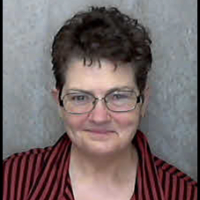
Tiffany Dunnells
LPC
Warm, practical therapy for life’s hard moments
- Stress, Anxiety
- Trauma and abuse
- Anger

Is this your profile?
Ask us to correct details or take the page down.
Contact us