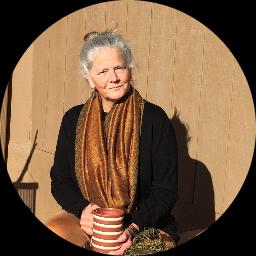
Teri Nielsen, LMHC, LCMHC
Washington · 35 years in practice
Teri Nielsen is a licensed mental health counselor with 35 years of experience in both in-patient and out-patient settings.
License and registration
- LMHC, Washington
- LH00006803 · expires December 2026
- LCMHC, Utah
- 7825680-6004 · expires September 2026
- NPI
- 1881667186 · national provider identifier
- Years in practice
- 35
- Languages
- English
Details are as listed on the therapist's public professional profile. You can check the license with the issuing state board, and the NPI with the national registry.
About Teri
Teri Nielsen is a licensed mental health counselor with 35 years of experience in both in-patient and out-patient settings. She works from Utah and brings a practical, direct style to sessions. Teri aims to help people who are ready to be honest about change and committed to doing the work.
Over her career she has helped people facing relationship strain, trauma and abuse, anxiety, addiction recovery, grief, and parenting challenges.
Background and approach
She also supports people dealing with identity and sexuality questions, career transitions, and midlife issues. Her experience includes work with first responders and health professionals as well as people new to therapy. Teri uses Emotionally-Focused Therapy alongside Attachment-Based and Client-Centered approaches to address how people connect and respond emotionally.
She also draws on cognitive behavioral ideas and existential thinking when that fits a person’s goals. Sessions tend to be active and straightforward, with a focus on identifying patterns and trying practical changes in how people relate and cope. Meditation and mindfulness are part of her practice, informed by many years of personal Vipassana meditation.
She has taught Mindfulness-Based Stress Reduction and integrates simple mindfulness skills for anxiety and addictive behaviors. Teri blends clinical tools with life experience as a woman, partner, and parent. She asks clients to bring honesty, grit, and a commitment to themselves.
The work is collaborative: she listens, points out patterns, and guides small experiments that can lead to clearer relationships and steadier moods.
Focus areas and approaches
Everything Teri lists on their public professional profile, in their own terms.
- Relationship issues
- Family conflicts
- Trauma and abuse
- Intimacy-related issues
- Parenting issues
- Stress, Anxiety
- Addictions
- LGBT
- Grief
- Eating disorders
- Sleeping disorders
- Anger management
- Self esteem
- Career difficulties
- Bipolar disorder
- Depression
- Coping with life changes
- Coaching
- Compassion fatigue
- ADHD
- Abandonment
- Attachment issues
- Blended family issues
- Divorce and separation
- Family problems
- First responder issues
- Forgiveness
- Guilt and shame
- Infidelity
- Life purpose
- Midlife crisis
- Multicultural concerns
- Self-love
- Sexual assault and abuse
- Sexuality
- Somatization
Approaches Teri names
- Emotionally-Focused Therapy (EFT)
- Attachment-Based Therapy
- Client-Centered Therapy
- Cognitive Behavioral Therapy (CBT)
- Existential Therapy
- Gottman Method
- Jungian Therapy
- Mindfulness Therapy
- Solution-Focused Therapy
- Somatic Therapy
- Trauma-Focused Therapy
- Internal Family Systems
- Systemic Therapy
Naming an approach is not evidence of training in it. This directory copies what each therapist lists and does not check training records.
Online support
How emotion-focused and attachment work translate online
Emotionally-Focused Therapy helps people notice and name their core emotions and how these drive relationship patterns. It is useful for improving emotional connection and working through recurring conflicts. Attachment-Based Therapy looks at how early connection styles shape current relationships and responses to stress, helping people shift toward more supported ways of relating.Choosing the right approach is part of the work. The therapist will talk with each person about their history, goals, and what feels most useful. Together they decide whether emotion-focused work, attachment ideas, or a client-centered tone will best suit the situation, and adjust as progress happens.
Online sessions offer practical flexibility. Video calls allow face-to-face interaction for emotion-focused work and relationship work. Phone sessions can be easier when bandwidth is limited or a quieter check-in is needed. Live chat and text-based messaging support short updates, coaching-style notes, or interim support between longer sessions. These options make it easier to fit therapy into a busy life while keeping the focus on connection and emotional change.
We will earn a commission if you sign up through our link, at no cost to you. It does not change what you pay or the order of the listings.
Questions people ask
What concerns does she help with?
She addresses relationship and family problems, trauma and abuse, anxiety, depression, addiction recovery, parenting stress, and related issues such as attachment and abandonment.
How would you describe her therapy style?
Her approach is active and direct, combining emotion-focused work with attachment and client-centered techniques. Sessions focus on patterns, feelings, and practical steps clients can try between meetings.
How much experience does she have?
She has 35 years of clinical experience in both in-patient and out-patient settings, including long-term work with adults and adolescents.
What are her credentials and location?
She holds LMHC and LCMHC credentials and practices from Utah.
Can sessions be conducted in other languages or internationally?
Sessions are offered in English and she is not accepting international clients.
What formats are used for therapy sessions?
She meets via video calls, phone sessions, live chat, and text-based messaging to fit different needs and schedules.
How is cost handled for sessions?
Cost varies with location and therapist availability; sessions use a subscription model that can be canceled at any time.
What is the process to begin therapy?
Start by selecting the Start Therapy button, complete a short matching questionnaire, and then schedule sessions according to therapist availability.
More therapists in Utah
See allChase Carter
LCSW
Practical, relational therapy with emotional focus
- Addictions
- Relationship
- Trauma and abuse

Raylynn Campbell
LCSW
Compassionate LCSW focusing on emotional healing
- Stress, Anxiety
- Trauma and abuse
- Self esteem


Sean DeFreese
LCSW
Practical support for stress and emotional strain
- Stress, Anxiety
- Addictions
- Depression

Is this your profile?
Ask us to correct details or take the page down.
Contact us