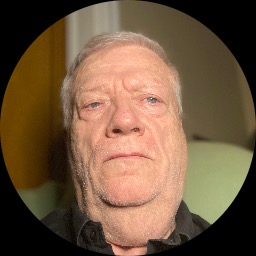
Dr. Stephen Gunsallus, LPC
South Carolina · 20 years in practice
Dr. Stephen Gunsallus uses emotion-focused work to help people find steadiness during hard times.
License and registration
- LPC, South Carolina
- 5290 · expires August 2027
- NPI
- 1205046588 · national provider identifier
- Years in practice
- 20
- Languages
- English
Details are as listed on the therapist's public professional profile. You can check the license with the issuing state board, and the NPI with the national registry.
About Stephen
Dr. Stephen Gunsallus uses emotion-focused work to help people find steadiness during hard times. He is a Licensed Professional Counselor (LPC) in South Carolina with 20 years of clinical experience.
He offers clear, respectful care for those facing loss, trauma, or struggles with attention and memory. He focuses on LGBT issues, trauma and abuse, grief, and attention concerns such as ADHD. He also addresses pain tied to guilt, shame, forgiveness, and mood changes.
Background and approach
People who are dealing with HIV or who need support near the end of life can find focused help as well. His approach blends Emotionally-Focused Therapy with client-centered listening and practical strategies from Cognitive Behavioral Therapy. He also draws on elements of Dialectical Behavior Therapy and existential ideas when they fit a person’s needs.
Sessions aim to name emotions, build coping skills, and try small changes that can ease daily life. Stephen completed an Ed.D., a Master of Arts in Counseling, and a Master of Sacred Theology, and he has Clinical Pastoral Education units including a residency. He also received an award for community organizing from Adapt Advocacy Association in 2011.
He explains credentials plainly and focuses on clear next steps in therapy. He customizes the conversation and the plan to match each person’s circumstances. He recognizes that starting therapy takes courage and offers steady, patient guidance from the first meeting onward.
Focus areas and approaches
Everything Stephen lists on their public professional profile, in their own terms.
- LGBT
- Trauma and abuse
- Grief
- ADHD
- Forgiveness
- Guilt and shame
- HIV / AIDS
- Hospice and end-of-life counseling
- Mood disorders
- Post-traumatic stress
Approaches Stephen names
- Emotionally-Focused Therapy (EFT)
- Client-Centered Therapy
- Cognitive Behavioral Therapy (CBT)
- Dialectical Behavior Therapy (DBT)
- Existential Therapy
- Mindfulness Therapy
- Motivational Interviewing
- Narrative Therapy
- Solution-Focused Therapy
Naming an approach is not evidence of training in it. This directory copies what each therapist lists and does not check training records.
Online support
How emotion-focused and practical approaches work online
Emotionally-Focused Therapy helps people identify and work through strong feelings that affect their relationships and daily decisions. It focuses on understanding emotional patterns and building safer ways to express needs and respond to distress.Client-Centered Therapy emphasizes listening with respect and adapting the pace to the person in the room. The therapist follows the client’s lead, reflecting concerns and helping them find their own direction for change.
Cognitive Behavioral Therapy looks at thoughts and behaviors that keep problems going and teaches concrete techniques to shift them. It is useful for managing mood changes, anxiety after trauma, and problems with focus and attention.
Finding the right mix of approaches is a collaborative process. The therapist will discuss goals, try techniques, and adjust the plan based on what helps most. Clients are invited to give feedback so the work matches their needs and preferences.
Online sessions are offered by video calls, phone, live chat, or text-based messaging, making it easier to fit therapy into busy schedules. Video is useful for a more traditional session feel, phone calls work when bandwidth is limited, chat can be a brief check-in, and messaging supports ongoing reflection between meetings. These options provide flexibility while keeping the focus on practical progress.
We will earn a commission if you sign up through our link, at no cost to you. It does not change what you pay or the order of the listings.
Questions people ask
What concerns does this therapist address?
Areas of focus include LGBT matters, trauma and abuse, grief and loss, and attention and memory issues such as ADHD. Additional topics include guilt and shame, forgiveness, HIV/AIDS, hospice and end-of-life counseling, mood disorders, and post-traumatic stress.
How would you describe the therapy style?
The style combines emotion-focused work with client-centered listening and practical tools from cognitive behavioral and dialectical approaches. Sessions tend to name emotions, teach coping strategies, and develop small, achievable changes.
What is his professional background?
He has 20 years of professional experience and holds a Doctor of Education in Pastoral Community Counseling, a Master of Arts in Counseling, and a Master of Sacred Theology. He also completed Clinical Pastoral Education units including a residency.
Where is the therapist licensed and based?
He is licensed as an LPC in South Carolina and practices from that state. Sessions are offered in English.
Can people outside the United States work with him?
International clients are not accepted at this time. Sessions are provided to people located within the regions he is licensed to serve.
What session formats are available?
Therapy is available by video calls, phone sessions, live chat, and text-based messaging to suit different schedules and preferences.
How are fees and billing handled?
Cost varies with location and therapist availability. Sessions use a subscription model that can be canceled at any time.
How do I begin therapy with him?
Start by selecting the Start Therapy button and completing a short matching questionnaire. After that, schedule sessions according to the therapist's availability.
More therapists in South Carolina
See allFrances Patton
LMFT
Emotion-focused, practical therapy for change
- Stress, Anxiety
- Relationship
- Intimacy-related issues

Cynthia Byas
LMFT
Compassionate therapist focused on emotional connection
- Stress, Anxiety
- Relationship
- Family

Talisha Telsee, MS, LPC, LMHC
Compassionate, practical therapy for life transitions
- Stress, Anxiety
- Relationship
- Family

Is this your profile?
Ask us to correct details or take the page down.
Contact us