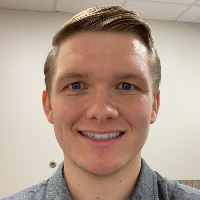
Frances Patton
LMFT
Emotion-focused, practical therapy for change
- Stress, Anxiety
- Relationship
- Intimacy-related issues
South Carolina 13 years in practice
Clinical social work directory
67 therapists in this directory hold a licence issued in South Carolina and name systemic therapy among their approaches. Sessions are online; a US therapist can usually only see people in a state where they hold a licence, so check the credentials panel on each profile.
Welcome to EFT Therapists' directory of online therapists serving South Carolina. All therapists listed here are licensed; explore profiles to review approaches, credentials, languages, and areas of focus to find a good match.
LMFT
Emotion-focused, practical therapy for change
LMFT
Compassionate therapist focused on emotional connection
Compassionate, practical therapy for life transitions
LPC
Compassionate, practical therapy for life’s hardest moments
LISW-CP
Compassionate therapist focusing on practical change
LPC
Calm, practical therapy for life's hard moments
LPC
Compassionate counselor helping people build emotional balance
LCSW, LISW
Compassionate, practical therapy for life changes
LPC
Compassionate counselor focused on emotions and relationships
LISW-CP, LCSW
Compassionate social worker focused on emotional healing
LPC
Helping people find direction and practical change
LPC, LCMHC
Calm support for emotional and life transitions
LPC
Compassionate emotion-focused care for life challenges
LCSW, LISW-CP
Calm, practical help for relationship and stress issues
LISW-CP
Experienced LISW-CP guiding practical emotional change
LPC
Compassionate counselor focused on emotional connection
LISW
Practical, relationship-focused therapy with compassion
LPC
Compassionate, practical counseling for life stresses
LPC
Practical, emotion-focused counseling for everyday life
LPC
Compassionate counseling with practical steps
LPC
Practical, compassionate counseling for real-life struggles
LPC
Compassionate counselor focused on emotion and relationships
LPC
Skilled listener helping with relationship and life strain
LISW-CP
Partnering on emotional connection and change
LCSW, LISW-CP
Therapist who blends warmth and practicality
LMFT
Healing relationships through emotional connection
LISW-CP
Relationship-focused therapist for emotional repair
LPC
Hopeful, practical support for strong emotions
LISW-CP, LCSW, CSW
Seasoned social worker focused on practical care
LPC, LMHC
Experienced counselor who emphasizes strengths
LPC
Compassionate therapist focusing on emotion and change
LPC
Compassionate counselor focused on connection and coping
LPC
Emotion-focused care with practical tools
LPC
Calm, practical counseling for life transitions
LPC
Compassionate counselor supporting life and relationship change
LPC
Compassionate counselor helping with emotional healing
LPC
Compassionate support for relationship and emotional healing
Some links on this page are partner links. We will earn a commission if you sign up through one, at no cost to you. It does not change what you pay or the order of the listings.
Online therapy has become a widely used option for people across South Carolina, offering ways to connect with mental health professionals from cities, small towns, and rural communities. Many therapists working with South Carolina residents conduct sessions by video or phone, and profiles in this directory list the methods they use. Regulations about teletherapy vary by profession and by state, so therapists who work with South Carolina residents typically indicate whether they are licensed to practice with people in this state. You will find a range of licensed clinicians who describe different therapeutic approaches, credentials, and areas of focus. Online sessions can be scheduled at varying times of day and may take different formats depending on the clinician - some emphasize conversation-based approaches while others integrate experiential methods or specialized interventions that therapists list among their approaches. Because laws and professional guidance continue to evolve, it is useful to confirm licensing details and the forms of teletherapy that a clinician offers before beginning work together.
Choosing online therapy can reduce travel time and make it easier to fit care into a busy life. If you live in a part of South Carolina with limited in-person mental health resources, online sessions can expand the range of clinicians you can consider, including those who list specific therapeutic styles or language skills. Online therapy can also be helpful during life transitions - for example if you move within the state, travel for work, or need continuity while managing family responsibilities. Many people find that connecting from a comfortable, quiet space makes it easier to attend regularly. Technology also allows you to access clinicians who emphasize different therapeutic approaches, cultural competence, or experience with specific issues such as parenting, couples work, or grief. While online therapy is not the right fit for every situation, it provides a flexible option that can complement in-person services when those are available to you.
Online therapists in South Carolina work with a broad spectrum of concerns. You can expect to find clinicians who list work with anxiety, depression, relationship challenges, grief and loss, life transitions, parenting and family dynamics, workplace stress, and coping with chronic medical conditions. Many profiles also indicate experience addressing trauma-related symptoms, adjustment after major life events, and concerns related to identity, such as gender or cultural identity. Therapists describe a range of approaches that they use in their practice; many list cognitive behavioral therapy, emotion-focused therapy, mindfulness-based strategies, and relational or systemic approaches among their methods. Some therapists also list EMDR among their approaches, while others describe integrative or experiential techniques. Because a therapist’s profile records what they emphasize, it can help you identify clinicians who describe approaches and areas of focus that align with your needs. If you are seeking help for a particular issue, reading how a clinician frames their work and the populations they list can give you a clearer sense of fit.
Therapists in this directory will typically list credentials such as LPC, LCSW, LMFT, PsyD, or PhD. These abbreviations indicate different professional licenses and degrees, and each type is regulated by a state licensing board. When you review a profile, note the credential and any license number provided. That information can help you look up the license on the appropriate state board website to confirm that the clinician is licensed in South Carolina and to review the license status. If a therapist lists licenses from other states, you can ask which state license they hold for services with South Carolina residents and whether their license permits the type of online practice you are seeking.
To verify a license, start by visiting the official South Carolina licensing board website for the therapist’s profession. Most boards allow you to search by the clinician’s full name or license number and will display whether the license is active, the expiration date, and any public disciplinary records. If you do not find the clinician listed, you can contact the licensing board directly for clarification. Verifying a license helps you confirm that the practitioner meets state requirements for their profession and that there are no unresolved actions on their record. If you have questions about what you see on the licensing site, calling the board or consulting their frequently asked questions can provide more context about titles, temporary licenses, and the scope of practice for different credentials.
Begin by identifying a few clinicians whose profiles describe approaches, languages, and areas of focus that appeal to you. Prepare a brief summary of what you are seeking help with and any practical concerns such as preferred session times, the length of sessions, and whether you plan to use insurance. Reach out through the contact options the clinician provides and ask about their primary approaches, typical session format, and whether they work with people in South Carolina under their current licensure. You can also ask about fees, payment methods, and whether they provide a written agreement outlining services and policies. Gathering this information in advance helps you make an informed choice and ensures the first session focuses on your goals rather than administrative details.
Your initial sessions will often include an opportunity to describe your concerns, discuss personal goals for therapy, and learn how the clinician typically structures work. The therapist may ask about your history and current circumstances to build a collaborative plan. You should also learn about practical aspects such as session length, cancellation policies, and how to handle urgent situations between sessions. If technology is new to you, test the platform or call option before your first appointment to address any connectivity concerns. Creating a comfortable, quiet space for sessions and having a list of topics or goals can help you make the most of early meetings with a clinician.
Choosing a therapist is a personal decision that depends on the match between your needs and the clinician’s approach. Consider how a therapist describes their work with people who have concerns similar to yours, and whether they list approaches that resonate with you. Think about language and cultural factors - many clinicians note additional languages or experience with particular communities, which can matter for how you connect in therapy. Practical considerations include session length, fee structure, and whether the clinician offers documentation you might need for work or insurance. You might prioritize a clinician who communicates clearly about their methods and who invites questions about what to expect during sessions. Trust your sense of rapport during early conversations; a good fit often includes both a clinician’s relevant experience and the feeling that you can discuss your concerns openly in a comfortable setting. If you have insurance, ask whether the clinician provides appropriate paperwork for reimbursement, and if not, whether they offer sliding scale or other payment options. Ultimately, choosing a therapist is about finding someone whose described approach, credentials, and communication style align with what you need right now.
Exploring online therapy options in South Carolina gives you access to a range of licensed clinicians who list diverse approaches and specializations. By verifying licensure, preparing for initial contact, and reflecting on the factors that matter most to you, you can make an informed choice and begin work toward your goals with a therapist who feels like a suitable match.