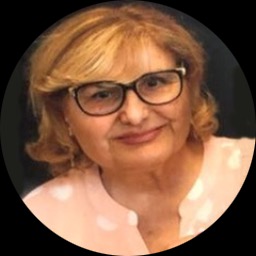
Shahla Raboubi, LMFT
California · 29 years in practice
Shahla Raboubi is a licensed Marriage and Family Therapist (LMFT) practicing in California with 29 years of experience.
License and registration
- LMFT, California
- 46891 · expires December 2026
- NPI
- 1356478226 · national provider identifier
- Years in practice
- 29
- Languages
- English, Persian
Details are as listed on the therapist's public professional profile. You can check the license with the issuing state board, and the NPI with the national registry.
About Shahla
Shahla Raboubi is a licensed Marriage and Family Therapist (LMFT) practicing in California with 29 years of experience. She uses Emotionally-Focused Therapy alongside other approaches to help people facing stress, anxiety, depression, grief, trauma, and relationship or parenting strains. Shahla speaks English and Persian and combines practical tools with steady listening to help clients take the first step toward change.
In sessions she matches the method to the person. That can mean a focus on emotions and attachment, or practical steps from cognitive behavioral techniques.
Background and approach
She also draws on narrative and existential ideas when clients wrestle with meaning, identity, or life transitions. Shahla has worked in community mental health settings and in independent practice. Those years shaped a flexible style that fits everyday challenges - from coping with loss and addiction to managing anger and improving communication.
Her experience includes supporting people through difficult life events and long-term changes. Clients can expect calm, direct conversation and concrete strategies to try between meetings. Some sessions focus on understanding patterns of relating and strong emotions, while others emphasize skills for reducing anxiety or building self-esteem.
She keeps sessions practical and goal-oriented while allowing space for feeling and reflection. The path of change often starts with a single step. Shahla offers guidance for people ready to talk about parenting pressures, attachment wounds, career stress, ADHD-related struggles, or the effects of trauma.
She aims to make therapy understandable and approachable for people reaching out for support.
Focus areas and approaches
Everything Shahla lists on their public professional profile, in their own terms.
- Stress, Anxiety
- Family conflicts
- Trauma and abuse
- Parenting issues
- Depression
- Addictions
- Relationship issues
- Grief
- Intimacy-related issues
- Anger management
- Self esteem
- Career difficulties
- Bipolar disorder
- Coping with life changes
- Coaching
- ADHD
- Abandonment
- Aging and geriatric issues
- Attachment issues
- Blended family issues
- Communication problems
- Control issues
- Coping with natural or human-caused disaster
- Self-love
- Social anxiety and phobia
Approaches Shahla names
- Emotionally-Focused Therapy (EFT)
- Attachment-Based Therapy
- Client-Centered Therapy
- Cognitive Behavioral Therapy (CBT)
- Existential Therapy
- Narrative Therapy
- Psychodynamic Therapy
- Solution-Focused Therapy
- Trauma-Focused Therapy
Naming an approach is not evidence of training in it. This directory copies what each therapist lists and does not check training records.
Online support
Emotion and Attachment Work Online
Emotionally-Focused Therapy focuses on identifying and shifting the strong emotions that shape how people relate to themselves and others. It helps when patterns of fear, sadness, or anger keep someone stuck in painful cycles or hurt important relationships.Attachment-Based Therapy looks at early and current bonds to understand how people form connections and react under stress. This approach is useful for addressing intimacy-related issues, abandonment wounds, and communication problems by tracing patterns and trying new ways of relating.
Client-Centered Therapy centers on a respectful, listening stance that helps people feel heard while they explore goals and values. It pairs well with emotion-focused and attachment work when someone needs a steady space to reflect and decide what matters most.
Choosing the right approach is a collaborative process. The therapist will talk with each person about their needs, goals, and preferences, then adjust methods over time. That way the work stays relevant and practical rather than fixed to a single technique.
Online therapy offers flexibility through video calls, phone sessions, live chat, or text-based messaging. Video lets people read facial cues and work more directly on emotional patterns. Phone sessions use less bandwidth and can fit into a work break. Live chat and text messaging make brief check-ins and focused skill practice easier to schedule. These options help match the style of therapy to daily life and make ongoing work more manageable.
We will earn a commission if you sign up through our link, at no cost to you. It does not change what you pay or the order of the listings.
Questions people ask
What kinds of concerns does she help with?
She helps people facing stress, anxiety, depression, grief, trauma and abuse, relationship and intimacy issues, parenting challenges, addictions, anger, self-esteem, career changes, bipolar concerns, and ADHD-related struggles.
What is her general therapy style?
Her style blends Emotionally-Focused Therapy, attachment work, client-centered listening, and cognitive behavioral techniques. Sessions balance emotional understanding with practical tools to try between meetings.
How long has she been practicing?
She has 29 years of experience working as a psychotherapist in community mental health settings and independent practice.
Where is she based and what credential does she hold?
She is based in California and holds the LMFT credential, which stands for Licensed Marriage and Family Therapist.
Which languages are supported in sessions?
Sessions are offered in English and Persian.
Can people outside the country work with her?
International clients are not currently accepted.
What session formats are available?
She offers video calls, phone sessions, live chat, and text-based messaging to fit different schedules and communication preferences.
How does payment and scheduling work?
Cost varies with location and therapist availability; sessions use a subscription that can be canceled at any time. To begin, select the Start Therapy button, complete a short matching questionnaire, and schedule according to therapist availability.
More therapists in California
See allNancy Montes
LCSW
Compassionate, culturally aware LCSW for life transitions
- Stress, Anxiety
- Self esteem
- Depression

Alejandro Holguin
LCSW
Practical, collaborative therapy for emotional healing
- Stress, Anxiety
- Relationship
- Anger

Dr. Cheryl Mims
LCSW
Compassionate clinician helping rebuild emotional balance
- Stress, Anxiety
- Grief
- Bipolar

Chauncey Chatman
LMFT
Practical, emotion-focused therapy for adults
- Stress, Anxiety
- Addictions
- Trauma and abuse

Is this your profile?
Ask us to correct details or take the page down.
Contact us