
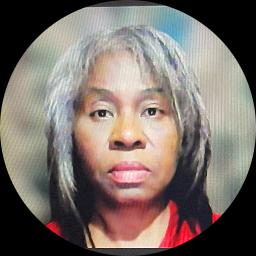
Karen Loiselle, LCSW
Connecticut · 12 years in practice
Karen Loiselle is a Licensed Clinical Social Worker (LCSW) based in Connecticut who helps people facing stress, anxiety, low self-esteem, and relationship difficulties.
License and registration
- LCSW, Connecticut
- 15601 · expires May 2026
- NPI
- 1487522579 · national provider identifier
- Years in practice
- 12
- Languages
- English
Details are as listed on the therapist's public professional profile. You can check the license with the issuing state board, and the NPI with the national registry.
About Karen
Karen Loiselle is a Licensed Clinical Social Worker (LCSW) based in Connecticut who helps people facing stress, anxiety, low self-esteem, and relationship difficulties. She works with individuals who want clearer thinking, steadier emotions, and better day-to-day coping. Karen uses straightforward, practical work in sessions.
She helps clients notice patterns, name difficult emotions, and try small changes that add up. Conversations focus on what matters most to each person and on steps they can use between sessions.
Background and approach
Her practice draws on Emotionally-Focused Therapy to help people understand how emotions shape what they do and how they relate to others. She also uses approaches from Acceptance and Commitment Therapy and Cognitive Behavioral Therapy to build skills for managing difficult thoughts and feelings.
With 12 years of experience, Karen has supported people with a wide range of concerns such as ADHD, mood challenges, anger, isolation, caregiver stress, and identity or life-purpose questions. She offers help for communication problems, commitment worries, and patterns that keep showing up. Sessions are collaborative and paced to each person's needs.
Karen aims to make therapy a place where clients can develop self-awareness, stronger emotional regulation, and clearer direction for changes they want to make.
Focus areas and approaches
Everything Karen lists on their public professional profile, in their own terms.
- Stress, Anxiety
- Relationship issues
- Anger management
- Self esteem
- ADHD
- Attachment issues
- Body image
- Caregiver issues and stress
- Commitment issues
- Communication problems
- Control issues
- Family problems
- Guilt and shame
- Impulsivity
- Intellectual disability
- Isolation / loneliness
- Life purpose
- Money and financial issues
- Mood disorders
- Narcissism
- Postpartum depression
- Pregnancy and childbirth
- Self-harm
- Self-love
- Sexuality
- Social anxiety and phobia
- Women's issues
- Workplace issues
- Young adult issues
Approaches Karen names
- Emotionally-Focused Therapy (EFT)
- Acceptance and Commitment Therapy (ACT)
- Client-Centered Therapy
- Cognitive Behavioral Therapy (CBT)
- Motivational Interviewing
- Psychodynamic Therapy
- Solution-Focused Therapy
- Trauma-Focused Therapy
- Internal Family Systems
Naming an approach is not evidence of training in it. This directory copies what each therapist lists and does not check training records.
Online support
Approaches that translate well to online work
Emotionally-Focused Therapy helps people notice and name strong feelings, and then use that awareness to change patterns that cause pain. It can be useful for people who want to understand how emotions drive their reactions and relationships.Acceptance and Commitment Therapy (ACT) focuses on noticing thoughts and feelings without getting stuck in them, and on clarifying personal values to guide action. It tends to help with anxiety, stress, and motivation when someone wants concrete steps toward meaningful change.
Client-Centered Therapy emphasizes a respectful, nonjudgmental listening stance where the person sets the pace and goals. This approach supports building trust, self-understanding, and confidence in making changes.
Finding the right approach is part of the work. Karen will collaborate with each person to see which methods fit their goals, preferences, and day-to-day life. Together they decide what to try first and adjust as needed based on what helps.
Online therapy options include video calls, phone sessions, live chat, and text-based messaging. Video is useful for deeper, face-to-face conversation; phone sessions can be a better fit when bandwidth or being on camera is difficult; chat or text can work well for brief check-ins or for people who prefer writing. These formats make scheduling easier and let people fit therapy into busy lives.
We will earn a commission if you sign up through our link, at no cost to you. It does not change what you pay or the order of the listings.
Questions people ask
What kinds of concerns does she address?
She helps with stress, anxiety, relationship difficulties, anger, self-esteem, ADHD, and related issues like attachment concerns, caregiver stress, and mood problems.
What is her therapy style and approach?
Her work is collaborative and emotion-focused, combining Emotionally-Focused Therapy with ACT, CBT, and client-centered techniques to build insight and practical skills.
How much experience does she have?
She has 12 years of clinical experience working with people on a range of emotional and interpersonal challenges.
What are her credentials and where is she based?
She is a Licensed Clinical Social Worker (LCSW) licensed in Connecticut and provides services from that state.
In which language are sessions offered?
Sessions are offered in English.
What session formats are available?
She works via video calls, phone sessions, live chat, and text-based messaging to give flexible options for different needs.
How is cost handled for sessions?
Cost varies with location and therapist availability; sessions use a subscription model that can be canceled at any time.
How do I start working with her?
Begin by selecting the Start Therapy button, completing a short matching questionnaire, and then scheduling sessions according to therapist availability.
More therapists in Connecticut
See allJoyce Voltaire Huertas
LCSW
Compassionate Emotion-Focused support for individuals
- Stress, Anxiety
- Relationship
- Trauma and abuse

Maria Frassinelli Sierra
LCSW, LICSW
Compassionate clinical social worker in Connecticut
- Grief
- Self esteem
- Coping with life changes

Miriam Charles-Flores
LCSW
Experienced LCSW blending EFT and practical tools
- Stress, Anxiety
- Relationship
- Grief

Jacqueline Edwards
LPC
Emotion-focused counselor guiding practical change
- Stress, Anxiety
- Addictions
- Relationship
Is this your profile?
Ask us to correct details or take the page down.
Contact us