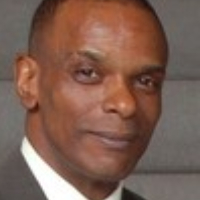
John Ward, LCSW
Connecticut · 30 years in practice
John Ward is a Licensed Clinical Social Worker (LCSW) with thirty years of clinical experience.
License and registration
- LCSW, Connecticut
- 6597 · expires May 2026
- NPI
- 1942476817 · national provider identifier
- Years in practice
- 30
- Languages
- English
Details are as listed on the therapist's public professional profile. You can check the license with the issuing state board, and the NPI with the national registry.
About John
John Ward is a Licensed Clinical Social Worker (LCSW) with thirty years of clinical experience. He offers individual therapy that centers on people’s strengths and practical steps for change. John aims to make therapy direct and useful for everyday struggles.
He uses Emotionally-Focused Therapy to help people understand and shift patterns in close relationships and emotional reactions. He also draws on Acceptance and Commitment Therapy to help clients notice what matters and take actions that match those values.
Background and approach
Cognitive Behavioral Therapy and Dialectical Behavior Therapy tools are used when clear skills and coping strategies can help. John has a long history working in both substance use and mental health settings, including government roles and independent practice. That background informs his approach to addictions, anger, grief, depression, bipolar concerns, and trauma.
He also supports people facing parenting stress, work transitions, and career decisions. Sessions focus on straightforward feedback, skill building, and using each person’s existing strengths. He helps clients address anxiety, stress, social phobia, communication problems, intimacy-related issues, and guilt or shame in practical ways.
Treatment plans are adapted to individual goals rather than one-size-fits-all methods. John provides care from Connecticut and conducts sessions in English. He offers a range of session formats to fit different schedules and needs, and he works with people over time to track progress and adjust strategies.
Focus areas and approaches
Everything John lists on their public professional profile, in their own terms.
- Addictions
- Anger management
- Stress, Anxiety
- Relationship issues
- Family conflicts
- Trauma and abuse
- Grief
- Intimacy-related issues
- Parenting issues
- Self esteem
- Career difficulties
- Bipolar disorder
- Depression
- Coping with life changes
- Coaching
- Compassion fatigue
- Communication problems
- Drug and alcohol addiction
- Fatherhood issues
- Guilt and shame
- Men's issues
- Social anxiety and phobia
Approaches John names
- Emotionally-Focused Therapy (EFT)
- Acceptance and Commitment Therapy (ACT)
- Client-Centered Therapy
- Cognitive Behavioral Therapy (CBT)
- Dialectical Behavior Therapy (DBT)
- Mindfulness Therapy
- Motivational Interviewing
- Narrative Therapy
- Psychodynamic Therapy
- Solution-Focused Therapy
- Trauma-Focused Therapy
Naming an approach is not evidence of training in it. This directory copies what each therapist lists and does not check training records.
Online support
How emotion-focused and skills-based therapies work online
Emotionally-Focused Therapy helps people notice patterns in feelings and relationship responses, then practice new ways of connecting and reacting. It is useful for dealing with recurring emotional cycles and improving how someone expresses needs and receives comfort.Acceptance and Commitment Therapy (ACT) focuses on clarifying personal values and taking committed steps toward them, even when difficult thoughts or feelings arise. Cognitive Behavioral Therapy (CBT) breaks problems into thoughts, feelings, and behaviors, and teaches practical skills to change unhelpful patterns. These approaches fit common issues such as anxiety, depression, stress, and difficulties with intimacy or addiction.
Finding the right approach is a collaborative process. The therapist will talk with the client about goals, try techniques that match their needs, and adjust the plan over time. The aim is to pick methods that feel useful and workable for the person rather than following a single program.
Online therapy offers flexible ways to meet: video calls for face-to-face conversation, phone sessions when bandwidth is limited, live chat for shorter check-ins, and text messaging for ongoing support between sessions. These options make it easier to keep therapy consistent around work, parenting, or busy days and to use brief tools or reminders that fit everyday life.
We will earn a commission if you sign up through our link, at no cost to you. It does not change what you pay or the order of the listings.
Questions people ask
What concerns does this therapist help with?
He works with a broad set of concerns including addictions, anxiety, depression, bipolar, grief, trauma, anger, stress, relationship and intimacy-related issues, parenting strain, and career challenges.
How would you describe his therapeutic style?
He uses a strengths-focused, interactive style that combines Emotionally-Focused Therapy with skills-based approaches like CBT and DBT to give clear feedback and practical steps.
What is his professional background?
He has over 30 years of combined experience in social work and addiction counseling, including roles in state government and independent practice.
What credentials and location are listed?
He is a Licensed Clinical Social Worker (LCSW) and practices from Connecticut.
Which languages and international options are available?
Sessions are offered in English. International clients are not currently accepted.
What session formats are offered?
He offers video calls, phone sessions, live chat, and text-based messaging to suit different needs and schedules.
How are fees and payment handled?
Cost varies with location and therapist availability; sessions use a subscription model that can be canceled at any time.
How do I begin working with this therapist?
Click the Start Therapy button, complete a short matching questionnaire, and schedule sessions according to the therapist's availability.
More therapists in Connecticut
See allJoyce Voltaire Huertas
LCSW
Compassionate Emotion-Focused support for individuals
- Stress, Anxiety
- Relationship
- Trauma and abuse

Maria Frassinelli Sierra
LCSW, LICSW
Compassionate clinical social worker in Connecticut
- Grief
- Self esteem
- Coping with life changes

Miriam Charles-Flores
LCSW
Experienced LCSW blending EFT and practical tools
- Stress, Anxiety
- Relationship
- Grief

Jacqueline Edwards
LPC
Emotion-focused counselor guiding practical change
- Stress, Anxiety
- Addictions
- Relationship
Is this your profile?
Ask us to correct details or take the page down.
Contact us