
Dr. Bridgette Montgomery, LCSW
Pennsylvania · 30 years in practice
Dr. Bridgette Montgomery is a licensed clinical social worker with thirty years of practice.
License and registration
- LCSW, Pennsylvania
- CW019767 · expires February 2027
- LCSW, Delaware
- Q1-0001670 · expires January 2027
- LISW, Ohio
- I.2002535 · expires December 2026
- LCSW, New Jersey
- 44SC05836900 · expires August 2026
- NPI
- 1417343021 · national provider identifier
- Years in practice
- 30
- Languages
- English
Details are as listed on the therapist's public professional profile. You can check the license with the issuing state board, and the NPI with the national registry.
About Bridgette
Dr. Bridgette Montgomery is a licensed clinical social worker with thirty years of practice. She helps people facing stress, anxiety, trauma and abuse, and depression.
She also supports people dealing with autism and Asperger syndrome, eating and food-related issues, gender dysphoria, obsessive-compulsive concerns, post-traumatic stress, and process or sex addictions. Her style is warm and straightforward. She listens first, then works with each person to find practical ways to manage symptoms and regain control.
Background and approach
Sessions focus on what matters now and on small steps that add up over time. Dr. Montgomery draws on several approaches when shaping treatment.
She uses Emotionally-Focused Therapy to look at emotional patterns. Cognitive Behavioral Therapy helps people shift unhelpful thoughts and behaviors. Client-centered and mindfulness work support awareness and self-compassion.
She has long experience helping people recover from complex trauma, sexual abuse, anxiety disorders, and obsessive-compulsive difficulties. Over three decades she has worked in a range of settings and with many different concerns, which informs a flexible, experienced approach. In sessions she aims to make space for honest talk without judgment.
Together with each person she sets clear goals and practical strategies. The focus is on making daily life feel safer and more manageable.
Focus areas and approaches
Everything Bridgette lists on their public professional profile, in their own terms.
- Stress, Anxiety
- Trauma and abuse
- Depression
- Autism and Asperger Syndrome
- Eating and food-related issues
- Gender dysphoria
- Obsessions, compulsions, and OCD
- Post-traumatic stress
- Process addiction (porn, exercise, gambling)
- Sex addiction
Approaches Bridgette names
- Emotionally-Focused Therapy (EFT)
- Client-Centered Therapy
- Cognitive Behavioral Therapy (CBT)
- Eye Movement Desensitization and Reprocessing (EMDR)
- Mindfulness Therapy
- Psychodynamic Therapy
- Solution-Focused Therapy
- Somatic Therapy
- Trauma-Focused Therapy
Naming an approach is not evidence of training in it. This directory copies what each therapist lists and does not check training records.
Online support
How therapeutic approaches translate to online care
Emotionally-Focused Therapy (EFT) helps people notice and name strong feelings and the patterns that keep them stuck. In an online session EFT can support understanding emotions that fuel anxiety, depression, or trauma responses. Cognitive Behavioral Therapy, or CBT, focuses on identifying unhelpful thoughts and trying new behaviors. Online CBT sessions often include short practice tasks and step-by-step plans to reduce anxiety and compulsive habits. Client-centered therapy emphasizes listening and empathy, giving people space to be heard and to build self-trust; that approach works well by phone or video when someone needs a calm, accepting listener.Finding the right approach is a collaborative process. The therapist will talk with each person about their goals and preferences, then try methods that fit those needs. Sessions can change over time as goals shift, with techniques mixed and matched to suit progress and comfort level.
Online therapy offers flexible ways to meet. Video calls let people read facial cues and practice skills together. Phone sessions can work when internet bandwidth is limited or when someone prefers not to use video. Live chat and text-based messaging are useful for brief check-ins, tracking progress, or handling a quick coping plan between sessions. These options make it easier to keep therapy consistent around work, school, or caregiving demands.
We will earn a commission if you sign up through our link, at no cost to you. It does not change what you pay or the order of the listings.
Questions people ask
What concerns does Dr. Montgomery address?
She works with stress, anxiety, trauma and abuse, and depression. Additional focus areas include autism and Asperger syndrome, eating and food-related issues, gender dysphoria, obsessive-compulsive concerns, post-traumatic stress, and process or sex addictions.
How would you describe her therapeutic style?
The approach is straightforward and listening-led. She aims to create a nonjudgmental space and then supports practical steps to manage symptoms.
What is her professional background?
She has thirty years of experience in clinical social work, working with trauma, anxiety, OCD, and related concerns across multiple settings.
Where is she licensed and located?
She practices in Pennsylvania and holds LCSW credentials including PA LCSW and DE LCSW.
Which languages are supported for sessions?
Sessions are offered in English.
Can people from other countries work with her?
International clients are not currently accepted.
What session formats are available online?
She provides video calls, phone sessions, live chat, and text-based messaging to fit different needs and schedules.
How are fees and billing handled?
Cost varies with location and therapist availability; sessions use a subscription that can be canceled at any time.
More therapists in Pennsylvania
See all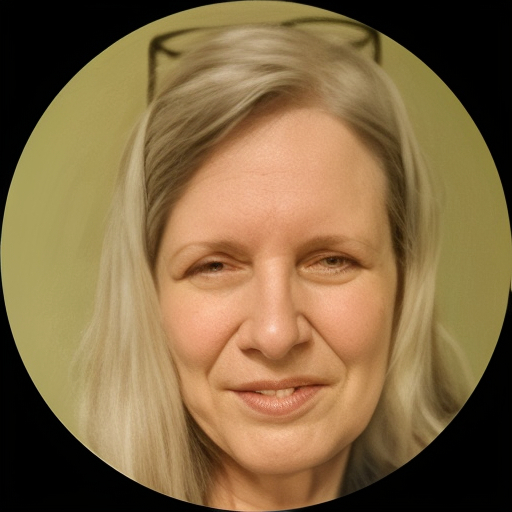
James Joseph Beaulieu
LPC
A steady, practical counselor for emotional change
- Addictions
- Relationship
- Family

Deborah Kulp
LPC
Practical, emotion-focused counseling for everyday strain
- Stress, Anxiety
- Addictions
- Relationship

Cara Kalakewich
LMFT
Compassionate, practical therapy for everyday life
- Relationship
- Family
- Trauma and abuse

Is this your profile?
Ask us to correct details or take the page down.
Contact us