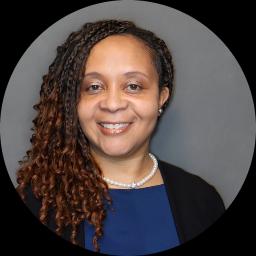
Barry Wasser
LCSW
Compassionate, goal-focused support for adults
- Stress, Anxiety
- Relationship
- Trauma and abuse
New Jersey 8 years in practice
Clinical social work directory
70 therapists in this directory hold a licence issued in New Jersey and name systemic therapy among their approaches. Sessions are online; a US therapist can usually only see people in a state where they hold a licence, so check the credentials panel on each profile.
Welcome to our directory of online therapists serving New Jersey. All therapists listed here are licensed in New Jersey and include professionals who list EFT among their approaches. Explore the profiles below to find therapists whose approaches, credentials, languages, and experience match your needs.
LCSW
Compassionate, goal-focused support for adults
LCSW
Practical emotional work grounded in experience
LMHC
Compassionate, practical therapy for emotional healing
LMFT, LCSW
Calm, collaborative therapy focused on emotions
LCSW
Straightforward emotional support and skills-based care
LCSW
Experienced LCSW focused on emotional healing
LPC
EFT-informed counselor focusing on practical skills
LCSW
Compassionate, practical therapy for relationships and life change
LPC
Experienced New Jersey counselor focused on emotions and coping
LPC
Emotionally focused therapist offering practical support
LPC, LMFT
Thoughtful Emotion-Focused and practical therapy
LPC
Compassionate, practical help for life’s challenges
LPC
Compassionate therapist focused on relationships and growth
LCSW
Experienced LCSW offering practical, compassionate care
LCSW
Calm, experienced guide for relationship and life change
LCSW
Compassionate, practical therapy for emotional change
LCSW
Compassionate therapy grounded in emotional connection
LPC
Calm, practical counseling for life’s hard moments
LCSW
Experienced LCSW helping with emotion and change
NJ Psychologist
Emotionally focused help for strong feelings
LCSW
Practical, emotion-focused therapy for daily life
LCSW
Warm LCSW helping people through tough life moments
LPC
Compassionate counselor helping people change relationship patterns
LPC, LMHC
Compassionate emotional and relationship-focused therapy
LPC
Compassionate, practical therapy for life challenges
LPC
Experienced LPC focusing on emotional connection and change
LPC, CSW
Experienced counselor focusing on relationships and recovery
LPC
Compassionate counselor focused on emotional connection
LCSW
Calm, practical therapy for emotional healing
LPC
Helping adults build coping skills and clearer relationships
LPC
Practical, experienced counselor for life transitions
LCSW
Compassionate care for sexuality and relationships
LMFT
Emotion-focused, practical therapy for stress and relationships
LPC
Practical, emotion-focused counseling for life challenges
LPC-MHSP, LPC
Compassionate, emotion-focused therapy for life transitions
LMFT
Practical, relationship-focused therapy and coaching
Some links on this page are partner links. We will earn a commission if you sign up through one, at no cost to you. It does not change what you pay or the order of the listings.
Online therapy has become an established option for people across New Jersey, making it easier to connect with a mental health professional regardless of whether you live in a dense urban center, a suburban town, or a rural area. In many cases you will find therapists who list a range of approaches on their profiles, and those profiles typically include credential type, languages spoken, and areas of emphasis. Teletherapy allows you to reach out to professionals across the state without needing to travel, which can open up choices if local options are limited or if you are looking for someone with particular language skills or experience.
Because licensing is regulated at the state level, therapists who provide online services to residents of New Jersey are expected to hold an active New Jersey license for the type of care they offer. That expectation helps ensure that the person you contact is subject to the state boards and standards that oversee practice. When you search and compare profiles, you can focus on the descriptive information therapists provide about their approaches and experience so you can find someone whose style may fit your needs.
Online therapy can reduce common barriers to care such as commute time and scheduling conflicts, which is especially helpful if you balance work, family commitments, or caregiving responsibilities. If you live in a community where there are fewer clinicians who speak your preferred language or who describe experience with a particular issue, teletherapy expands the pool of professionals you can connect with. You may also find it easier to maintain continuity of care when weather or transportation issues make in-person visits difficult.
For many people, the ability to attend sessions from home or another convenient location supports greater consistency. You can choose a setting that feels comfortable for you and arrange sessions around your daily routines. For others, online sessions help you access clinicians who list specific approaches, such as EFT, or who note experience addressing relationship concerns, perinatal issues, workplace stress, grief, and more. Ultimately, online therapy creates more practical ways for you to prioritize your mental health without major changes to your daily life.
Online therapists in New Jersey work with a broad range of concerns, from ongoing mood and anxiety challenges to relationship struggles and life transitions. You will often find clinicians who note experience with stress management, adjustment after major life changes, parenting challenges, coping with loss, and support around major life stages such as pregnancy and early parenthood. Many also list experience working with relationship dynamics, whether for couples or individuals seeking to improve communication and emotional connection.
Some therapists list specialized approaches among their offerings, though the presence of an approach on a profile should be viewed as descriptive rather than a statement of formal certification. For example, you may find therapists who list EMDR among their approaches or who list EFT among their approaches. Therapists who list trauma-focused methods, grief work, or family systems approaches can often adapt their work to fit your presenting concerns. When reviewing profiles, pay attention to the ways clinicians describe the types of issues they commonly address, as that language is helpful for understanding whether their experience aligns with what you are seeking.
Verifying that a therapist holds an active license in New Jersey is an important step when you are choosing online care. Start by locating the license information on a therapist's profile, which may include a license number or the type of license held, such as licensed clinical social worker, licensed professional counselor, licensed marriage and family therapist, or psychologist. If a license number is not listed, you can request that information from the clinician directly before beginning work together.
Once you have a name and license type or number, use the New Jersey Division of Consumer Affairs online license verification tool to confirm the license status and see whether there are any public disciplinary actions. The search typically allows you to enter the clinician's name or license number and will display the license status, expiration date, and the licensing board that oversees that credential. If you have questions about what you see, the Division of Consumer Affairs can be contacted for additional guidance. Verifying licensure helps ensure the clinician is authorized to practice in the state and gives you insight into the formal standing of their credential.
Beginning online therapy starts with clarity about what you want to address and a practical plan for how you will approach sessions. Review profiles to identify clinicians whose descriptions mention the issues you want to work on and whose stated approaches match your preferences. When you contact a clinician, ask for basic information that helps you prepare for a first session, such as typical session length, communication methods for scheduling, fee structure, and whether they accept your insurance if that is important to you.
Prepare for your first appointment by choosing a quiet space in your home or another location where you feel comfortable talking. Make a note of any questions you want to ask during the initial conversation, such as how the clinician structures sessions, how they measure progress, and what to expect between sessions. You may also want to confirm technology needs such as which video platform will be used and what happens if a session is interrupted. These practical details help you feel more at ease and ensure sessions run smoothly from the outset.
Choosing a therapist is a personal decision and it helps to approach it with curiosity and a clear sense of priorities. Start by identifying the qualities that matter most to you - for example, a clinician who lists experience with relationship work, someone who offers therapy in your preferred language, or a clinician who notes experience with a specific life stage. Look for profiles that provide concrete descriptions of what the clinician focuses on and how they work with clients.
When you contact a therapist, use that conversation to get a sense of fit. Ask about their approach to issues similar to yours, how they typically structure sessions, and what a few initial goals might look like. Pay attention to how the clinician responds to your questions and whether their communication style feels compatible with yours. It is reasonable to try a few sessions to determine whether the clinician's style aligns with your expectations and needs. If you decide a different match would be better, you can use the information you gathered from your initial exploration to refine what you look for next.
Finally, practical considerations such as fees, insurance acceptance, session length, and technology preferences are part of the decision. Make sure you understand the clinician's privacy practices and how they handle records and communications, and confirm that they are licensed in New Jersey if you will be connecting from within the state. Taking the time to review profiles carefully and to ask the right questions will help you find a clinician whose approach and experience fit the work you want to do.
As you explore listings, focus on the match between what you want to address and the ways clinicians describe their practice. Use licensure verification as a routine part of your search and ask practical questions up front so you know what to expect. With careful review and a clear sense of your priorities, you can find an online therapist in New Jersey whose approach and experience align with your needs.