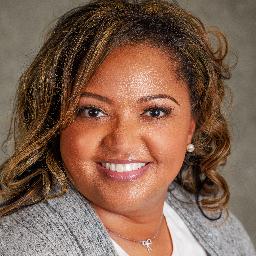
Tinna Palmer
LSCSW
Practical support for stress and life changes
- Stress, Anxiety
- Addictions
- Trauma and abuse
Kansas 7 years in practice
Clinical social work directory
28 therapists in this directory hold a licence issued in Kansas and name systemic therapy among their approaches. Sessions are online; a US therapist can usually only see people in a state where they hold a licence, so check the credentials panel on each profile.
Welcome to the Kansas directory of online therapists on EFT Therapists. All therapists listed here are licensed to practice in Kansas. Explore profiles to learn about approaches, specialties, credentials, languages, and whether a clinician lists approaches you prefer.
LSCSW
Practical support for stress and life changes
LSCSW
Compassionate, emotion-focused social worker
LSCSW
Calm, practical psychotherapy with decades of experience
LSCSW, LISW
Compassionate support for emotional healing
LSCSW
Calm, practical therapy focused on emotions
LPC, LMHC
Practical, emotion-focused counseling for everyday challenges
LCMFT
Warm, practical therapy for emotional and relationship struggles
LCPC
Warm, practical therapy for relationship and life change
LCSW, LSCSW
Calm, practical guidance for tough life challenges
LCMFT
Experienced relationship and anxiety therapist
LCMFT, LMFT
Experienced marriage and family therapist focused on relationships
LCSW, LSCSW
Compassionate social worker for life transitions
LPC, LCPC
Emotionally focused, practical care
LSCSW
Practical, emotion-focused help for life challenges
LSCSW, LCSW
Compassionate clinician for emotional change
LSCSW
Compassionate, emotion-focused clinical social worker
LCPC
Respected Kansas counselor with wide-ranging experience
LCMFT, LMFT
Compassionate, practical therapy for life and relationships
LSCSW
Compassionate social worker focused on practical change
LCMFT
Relationship-focused therapist using emotion and attachment
LPC
Practical, compassionate counseling for life stressors
LPC, LCPC
Emotionally grounded therapy with practical skills
LCSW
Practical emotional work with empathetic care
Some links on this page are partner links. We will earn a commission if you sign up through one, at no cost to you. It does not change what you pay or the order of the listings.
Online therapy has become a routine option for many people across Kansas, offering an alternative to in-person appointments when distance, schedule, or mobility are factors. If you live in Kansas and are looking for care via video, phone, or messaging, you will find clinicians who list a range of approaches and specialties. State regulations generally require that a therapist be licensed to practice with clients in the state where the client resides, so the therapists featured here are licensed in Kansas. Since technology and rules evolve, you may notice different service models and communication methods; the profiles in this directory focus on what each clinician lists about their approaches, populations served, languages, and credentials so you can make an informed choice.
Online work in Kansas spans urban centers like Wichita, Overland Park, and Topeka as well as rural communities. That geographic reach does not change the basics of therapeutic work - conversations about goals, strategies, and progress remain central - but it can change logistics. You will likely encounter clinicians who emphasize short-term skills-based work, others who describe longer-term relational or developmental perspectives, and some who note specific trauma-informed, couples, or family approaches. When a therapist lists a method such as EMDR, EFT, CBT, or mindfulness-based work among their approaches, that indicates an area they use in practice rather than a particular credential listed on the profile.
When you opt for online therapy, you are choosing a format that can reduce travel time and make it easier to fit sessions into a busy life. You can meet with a clinician from a home office, a workplace break room, or another quiet location, as long as you have a reliable internet connection and a setting that protects your privacy. For people in more remote parts of Kansas, online sessions can bring access to clinicians who specialize in particular populations or methods that may not be available locally. You may also find therapists who list evening or weekend approaches in their profile descriptions, which can make scheduling more flexible without changing your daily routine.
Another benefit is continuity of care. If you travel within the state or transition between jobs or schools, staying connected with a single clinician by online means can offer consistency. Online work also supports a wider diversity of communication modes - some therapists use video as the primary channel, while others make use of messaging or phone calls to supplement live sessions. Keep in mind that technology is a tool; the therapeutic relationship and the match between your needs and a clinician's focus are more important than the platform you use to meet.
You can turn to online therapy for a wide range of emotional, relational, and life concerns. Many people seek help with anxiety and worry that interfere with daily functioning, or with persistent low mood and motivation that shape how they experience work, family, and leisure. Relationship challenges - whether with a partner, family member, or colleague - are commonly discussed in online sessions, and some clinicians list couples and family work among their specialties. Trauma and stress reactions are also frequent reasons for seeking therapy, and you may find therapists who list trauma-informed approaches, EMDR among their approaches, somatic methods, or mindfulness-based strategies.
Beyond those areas, online therapists often support people navigating life transitions such as becoming a parent, changing careers, or coping with loss and grief. There are clinicians who list experience with addiction-related concerns, workplace stress, identity and sexual orientation questions, and chronic health adjustment. Profiles may note specializations like working with adolescents, adults, older adults, or particular cultural and language communities. When reviewing profiles, pay attention to how clinicians describe the populations they serve and the problems they commonly address to find a closer match to your needs.
Verifying a therapist's license is an important step before beginning work. In Kansas you can check the public license lookup provided by the state regulatory board for behavioral health professions. When you search, look for the clinician's full name and license type, which may be listed as Licensed Professional Counselor, Licensed Clinical Social Worker, Licensed Marriage and Family Therapist, or Psychologist, among others. The license record typically shows the status of the license, expiration date, and whether there are any public disciplinary actions on file.
When you review a profile in this directory, compare the name and degree information with the board listing. If a profile provides a license number, you can use that number to find the exact record. If you are unsure about the board results or how to interpret them, the state board's contact information is usually listed on its website so you can request clarification. Keep in mind that licensure confirms a clinician is authorized to practice in Kansas but does not speak to specific outcomes; use licensure verification as one part of your decision-making process.
Because rules about practicing across state lines vary, be aware that therapists must generally be licensed in the state where you are located during sessions. If you move or spend significant time outside Kansas, discuss licensure implications with a prospective clinician and check the relevant state regulations. A clear conversation about where you will be during sessions helps ensure that care is provided in line with regulatory expectations.
Beginning with an online therapist starts with clarity about what you want to achieve. Spend some time reflecting on your goals for therapy - whether you want short-term skills to cope with a specific problem, longer-term work on relationship patterns, or support through a transition. Use those goals to guide which profiles you explore. Read clinician descriptions carefully to see if they explicitly list the issues and approaches you find helpful, and note whether they mention populations or life stages that match your situation.
When narrowing options, consider practical factors noted in profiles such as professional degree, license type, years of experience, and languages spoken. Profiles that indicate particular approaches - for example therapists who list EFT among their approaches, therapists who list CBT, or therapists who list EMDR among their approaches - give you language to compare methods, though those listings do not speak to specific credentialing in a method. It can be useful to prepare a few questions to ask a clinician before a first session. Questions about how they typically structure sessions, what a typical course of work looks like for your concern, their policies on fees and insurance claims, and how they handle records and privacy are all reasonable to raise.
Preparing for your first session will help you make the most of the time. Find a quiet, quiet space where you will not be interrupted, and test your device, camera, and microphone in advance. Have a short list of topics you want to cover or goals you hope to work on, and be ready to share relevant background information such as recent life events or prior therapy experiences. Over the first few sessions you and your therapist will decide on goals and a pace that fit your needs. If the match does not feel right after a few sessions, it is acceptable to seek another clinician whose profile better aligns with your preferences and goals.
Choosing an online therapist is both a practical and personal decision. Use the directory to narrow options based on what clinicians list about their approaches and specialties, confirm licensure through the Kansas board, and begin with clear goals and questions. With thoughtful preparation and open communication, you can find an online clinician in Kansas who aligns with your needs and supports the work you want to do.