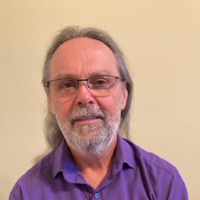
Wendi Makus
LPC
Compassionate, emotionally focused counseling
- Stress, Anxiety
- Relationship
- Trauma and abuse
Arkansas 13 years in practice
Clinical social work directory
20 therapists in this directory hold a licence issued in Arkansas and name systemic therapy among their approaches. Sessions are online; a US therapist can usually only see people in a state where they hold a licence, so check the credentials panel on each profile.
Welcome if you are seeking online therapists in Arkansas. All therapists listed here are licensed in Arkansas; explore profiles to compare specialties, approaches, credentials, languages and experience.
LPC
Compassionate, emotionally focused counseling
LMFT
Practical, emotion-focused support for life changes
LPC
Compassionate counselor focused on emotional healing
LCSW-C, LCSW
Experienced social worker who adapts to your needs
LCSW
Careful, practical therapy for everyday challenges
LPC
Compassionate counselor focused on practical change
LCSW
Skilled LCSW focused on emotional healing
LPC
Calm, practical counseling for emotional change
LPC
Emotionally-focused care with practical tools
LPC
Compassionate, practical therapy for trauma and identity
LCSW
Practical, strength-focused therapy for lasting change
LCSW
Empathy-driven therapy focused on emotions and change
AR Psychologist 97-02P
Calm, practical therapy for relationships and life changes
LPC, LMHC
Compassionate counselor helping people heal and grow
LPC
Compassionate counselor for deep emotional work
LCSW
Compassionate, practical therapy with emotional focus
Some links on this page are partner links. We will earn a commission if you sign up through one, at no cost to you. It does not change what you pay or the order of the listings.
If you are exploring online therapy options in Arkansas in 2026, you will find a landscape shaped by changing technology, telehealth policy, and clients' needs across urban and rural communities. Arkansas has regulations that determine how and when licensed clinicians can provide services across distance, and many therapists use video and phone sessions to reach people who prefer remote care. Online therapy can be offered across the state as long as clinicians hold the appropriate Arkansas license for their profession and follow state practice rules. For you, that means access to a wider selection of approaches and languages than you might find locally, while still working with professionals who are licensed to practice in Arkansas.
When you look at therapist profiles, you will see a variety of modalities and areas of focus. Some therapists list EFT among their approaches, while others list cognitive behavioral therapy, psychodynamic work, somatic methods, mindfulness-based strategies, family systems, or trauma-informed practices. Listing an approach does not indicate certification; it simply describes what the clinician uses in their work. As a prospective client, knowing which approaches a clinician lists helps you narrow down who may match your preferences and needs.
Online therapy removes some geographic constraints that have historically limited your options. If you live in a smaller town or a rural county, online sessions give you access to licensed clinicians who practice across Arkansas. That can make it easier to find someone who speaks your language, has experience with your particular life stage, or lists experience addressing the issues you want to work on. Because sessions happen over video or phone, you can connect from home, your car between errands, or any setting where you feel comfortable and focused.
Online therapy also lets you select clinicians based on match rather than proximity. You may prefer a clinician who lists trauma work as a focus, or who mentions working with couples, adolescents, or grief. Some clinicians list expressive therapies, others mention behavioral coaching or relational approaches. When you find a clinician whose stated focus resonates with you, remote sessions make it possible to sustain continuity even if you move within the state. This flexibility can make it easier to maintain momentum in therapy and to integrate sessions into a busy life.
You will find that many online therapists in Arkansas address a broad range of concerns. Therapists commonly list work with anxiety, depression, stress management, relationship challenges, life transitions, and grief. Others emphasize work with trauma-related symptoms, mood regulation, or issues that arise during parenting and caregiving. Some clinicians list specialties such as perinatal mental health, adolescent development, or support for LGBTQ+ clients. If you are coping with workplace stress, chronic illness, or identity questions, there are therapists who describe experience working with those themes.
Because clinicians list different combinations of approaches, you may encounter therapists who list eye movement desensitization and reprocessing among their approaches, or those who list cognitive behavioral strategies, mindfulness, or somatic work. Again, those listings indicate the techniques clinicians use in practice rather than a statement of formal certification. When you read profiles, pay attention to how clinicians describe the populations they work with and the kinds of outcomes they support, since that will help you determine whether their experience aligns with what you want to address.
One of the most practical steps you can take is to confirm that a clinician holds an active Arkansas license in the profession they list. Licensing boards for counseling, social work, marriage and family therapy, and psychology maintain public registries where you can confirm license status, the board that issued the license, and whether there are any disciplinary actions. When you review a therapist profile, note the license type and the licensure board, then visit the board's website to verify current standing. This gives you factual information about who is authorized to practice under Arkansas law.
Credentials appear in many forms. You may see initials indicating a master s degree, doctorate, or professional license. Educational background, years of clinical experience, and additional training are often described in profiles, but these descriptions are not a substitute for license verification. If a clinician practices under a title that is regulated in Arkansas, the licensing board's registry is the authoritative source for whether that title may be used and whether the individual holds the necessary credential. Checking the board also helps you understand the scope of practice for that license in Arkansas.
Starting therapy online begins with a clear sense of what you want to address and a review of clinician profiles that match your needs. Use the listings to compare specialties, approaches, languages, and professional credentials. Reach out using the contact information provided on a profile to ask about anything that matters to you, such as session format, typical session length, or whether the clinician has experience with issues similar to yours. When you talk to a clinician for the first time, you can ask about their therapeutic approach in plain language, how they structure sessions, and what a typical course of work might look like for someone with your concerns.
Choosing a therapist is a personal decision and often involves both practical and interpersonal considerations. Think about what matters most to you - whether it is a therapist who lists a certain modality among their approaches, one who works with your age group, or someone who offers sessions in your preferred language. Consider logistical factors such as appointment times that fit your schedule and the technology the clinician uses for sessions. It is also useful to reflect on how you want to be supported - whether you are looking for practical strategies, deeper exploration of past experiences, or support through a life transition. During initial conversations, notice whether the clinician communicates clearly about goals and how they measure progress.
Trust your impressions from a consultation. Feeling comfortable with a clinician's style, tone, and how they describe their work is a strong predictor of whether you will engage in therapy. It's acceptable to try a session or two and decide if the working relationship feels right. If you want a clinician who lists EFT among their approaches, look for how they describe that work in everyday language and whether it aligns with what you hope to achieve. Remember that the right match is one that respects your values, honors your pace, and supports your therapeutic goals.
Before your first online session, consider the environment where you will meet. Choose a quiet, well-lit place where you can speak freely without being overheard, and make sure your device's camera and microphone function properly. Ask a prospective clinician about their preferred platform and any steps you need to take to set up the session. If you have concerns about internet reliability in your area, plan a backup option such as a phone call. Insurance coverage for remote sessions varies, so if insurance matters to you, inquire about billing practices and whether the clinician can provide a receipt or superbill for reimbursement.
As you move forward, remember that therapy is a collaborative process. Set realistic expectations about pacing and outcomes, and share feedback with your clinician about what helps or does not help. If you ever need a different approach or a referral to a clinician who lists a particular specialty among their approaches, a therapist can usually discuss next steps with you. Taking that first step to contact a licensed Arkansas clinician opens the door to focused support delivered in a way that fits your life and your needs.