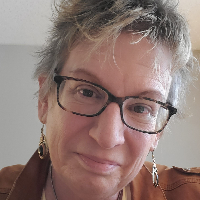
Amy Norberg
LPC
Compassionate counselor focusing on emotional change
- Relationship
- Family
- Trauma and abuse
West Virginia 13 years in practice
Clinical social work directory
13 therapists in this directory hold a licence issued in West Virginia and name systemic therapy among their approaches. Sessions are online; a US therapist can usually only see people in a state where they hold a licence, so check the credentials panel on each profile.
Welcome to our directory for online therapists serving West Virginia. All therapists listed here are licensed in West Virginia and offer services via telehealth. Explore profiles to learn about approaches, credentials, languages and areas of focus that match what you need.
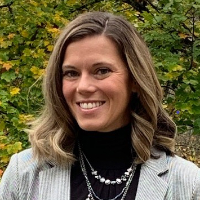
LPC
Compassionate counselor focusing on emotional change
LICSW
Compassionate support for emotional healing and coping
LPC
A warm, straightforward counselor for real-life problems
LPC
Calm, practical support for strong feelings
WV Psychologist
Compassionate psychologist blending EFT and practical tools
LISW, LICSW
Compassionate social worker helping people change
WV Psychologist
Experienced psychologist focused on emotional healing
LICSW, LCSW
Compassionate therapist focusing on emotions and connection
LPC
Compassionate, emotion-focused care for relationships
LPC
Compassionate counselor for emotional healing
LPC
Compassionate counselor focused on practical progress
LPC
Therapist focusing on emotional connection and coping
Some links on this page are partner links. We will earn a commission if you sign up through one, at no cost to you. It does not change what you pay or the order of the listings.
If you live in West Virginia you will find a growing number of licensed clinicians offering sessions by video or phone. Telehealth expanded rapidly across the United States, and many West Virginia providers continue to offer remote sessions as part of their practice. Licensing rules generally require that therapists who provide care to residents of West Virginia hold an appropriate West Virginia license, so the clinicians you see listed here have credentials that authorize practice in the state. Online therapy can be delivered in a range of formats from short-term focused work to longer-term psychotherapy, depending on the clinician and the approaches they list on their profile.
When you look at listings you will notice differences in license type, professional background and stated approaches. Some profiles emphasize treatment of trauma, grief or relationship concerns, while others focus on perinatal care, adolescent issues or chronic health challenges. Because online therapy removes the need to travel, it is often offered by clinicians who serve multiple counties across West Virginia, which can increase the range of specialists you can access without leaving your community.
Online therapy can make it easier to get help when you live in a rural area or when travel would be difficult because of work, caregiving or mobility limitations. You can connect from your home, your car between appointments or another location that works for you. This flexibility can reduce the time cost of attending sessions and make it simpler to maintain continuity of care during life transitions, such as a job change or moving between regions of the state.
Another advantage is access to a wider variety of approaches and specialties. If you have a specific need or prefer a clinician who lists certain methods among their approaches, online formats often let you reach those therapists without geographical constraints. You may also find clinicians who offer sessions in languages other than English or who emphasize culturally responsive work with Appalachian communities. The quality of your experience will depend on clear communication about goals, preferences and logistics, and on choosing a clinician whose profile matches what you want to address.
Online therapists in West Virginia work with many of the same concerns seen in in-person care. You can expect clinicians to describe experience addressing anxiety, depression, relationship problems, grief and loss, life transitions, workplace stress and parenting challenges. Therapists who list trauma-focused approaches among their methods may also work with post-traumatic stress reactions, complex trauma and related symptoms, while those who list EFT among their approaches may highlight work with emotional processing and relationship patterns.
Many clinicians also support people coping with chronic health issues, caregiving burden and adjustment to major life events. Adolescent and family therapy is commonly offered remotely, with adaptations for working with teens and parents by video. If you are seeking support tied to identity, cultural background or sexual orientation, you can look for profiles that explicitly mention these focus areas. Because therapists list their approaches and populations of interest, you can identify practitioners whose stated experience aligns with the challenges you want to address.
Verifying a clinician's license is an important step when you are choosing online therapy. Start by noting the license type shown on the profile - common categories include licensed professional counselors, licensed clinical social workers and licensed psychologists. Each license has a specific scope of practice and a licensing authority in the state. You can use West Virginia state licensing resources to check a professional's license status, license type, expiration date and whether any disciplinary actions are listed. These resources are maintained by state boards that regulate counseling, social work and psychology.
When you search a licensing site, enter the clinician's full name and any license number provided on their profile. Confirm that the license is active and that the description matches the title used on the profile. If the information is unclear, you can contact the licensing board directly for clarification. It is also reasonable to ask the clinician how long they have held their license and what their primary scope of practice is. Those conversations can help you understand whether their training, background and stated approaches align with the work you want to do together.
Begin by clarifying what you hope to achieve in therapy and any practical preferences you have, such as session length, language, or whether you prefer video or phone sessions. Use the directory filters to narrow profiles by license, approaches and focus areas. When you find a clinician whose profile resonates, reach out through the contact method they list to request more information or an initial conversation. That first contact is an opportunity to ask about the formats they offer, typical session structure and how they approach goals and measurement of progress.
Choosing a therapist is a personal process that depends on what matters most to you. Look for clinicians who describe work with your population and the issues you want to address. Pay attention to the approaches they list - for example, clinicians who list cognitive behavioral therapy, mindfulness-based approaches, EMDR or EFT among their approaches will emphasize different methods in sessions. You do not need to fully understand every approach to get started, but knowing whether a clinician uses more directive techniques or prefers exploratory, relational work can help you decide who might be a good fit.
Ask questions during your initial contact about how they structure sessions, how they measure progress and what a typical course of work might look like for your concern. It is okay to prioritize rapport - feeling heard and respected is central to effective therapy. Practical considerations also matter. Check whether the clinician lists the languages they speak, their experience with specific populations and the types of payment they accept. Prepare a quiet, quiet space for your sessions and test your device and internet connection in advance. If you use health insurance, confirm whether the clinician accepts your plan or offers a sliding scale. Remember that trying a few sessions is often the best way to determine fit - it is normal to make a change if the match is not right for you.
Online therapy can expand your options while still allowing you to work with licensed professionals in West Virginia. By combining thoughtful verification of credentials with attention to approach, population focus and practical logistics, you can find a clinician whose practice aligns with your goals. Use the directory to explore detailed profiles, read about clinicians' stated approaches and reach out to start a conversation about the kind of support you are seeking.